Buy aboutcars.eu ?
We are moving the project
aboutcars.eu .
Are you interested in purchasing the domain
aboutcars.eu ?
domain@kv-gmbh.de · 0541-91531010
Buy aboutcars.eu ?
Are disinfectants allowed on airplanes?
Yes, disinfectants are allowed on airplanes in limited quantities. Passengers are allowed to bring travel-sized disinfectant wipes or sprays in their carry-on luggage. It is important to check with the airline or Transportation Security Administration (TSA) for specific guidelines on bringing disinfectants on board. Additionally, it is recommended to use disinfectants in accordance with the airline's policies and guidelines to ensure the safety of all passengers and crew members. **
What are braces and disinfectants?
Braces are orthodontic devices used to straighten and align teeth, improve bite, and enhance overall dental health. They consist of brackets, wires, and bands that apply pressure to the teeth to gradually move them into the desired position. Disinfectants, on the other hand, are chemical agents used to kill or inhibit the growth of harmful microorganisms on surfaces, instruments, or in the air. They are commonly used in healthcare settings to prevent the spread of infections. **
Similar search terms for Disinfectants
Top-Angebote
Products related to Disinfectants:
-
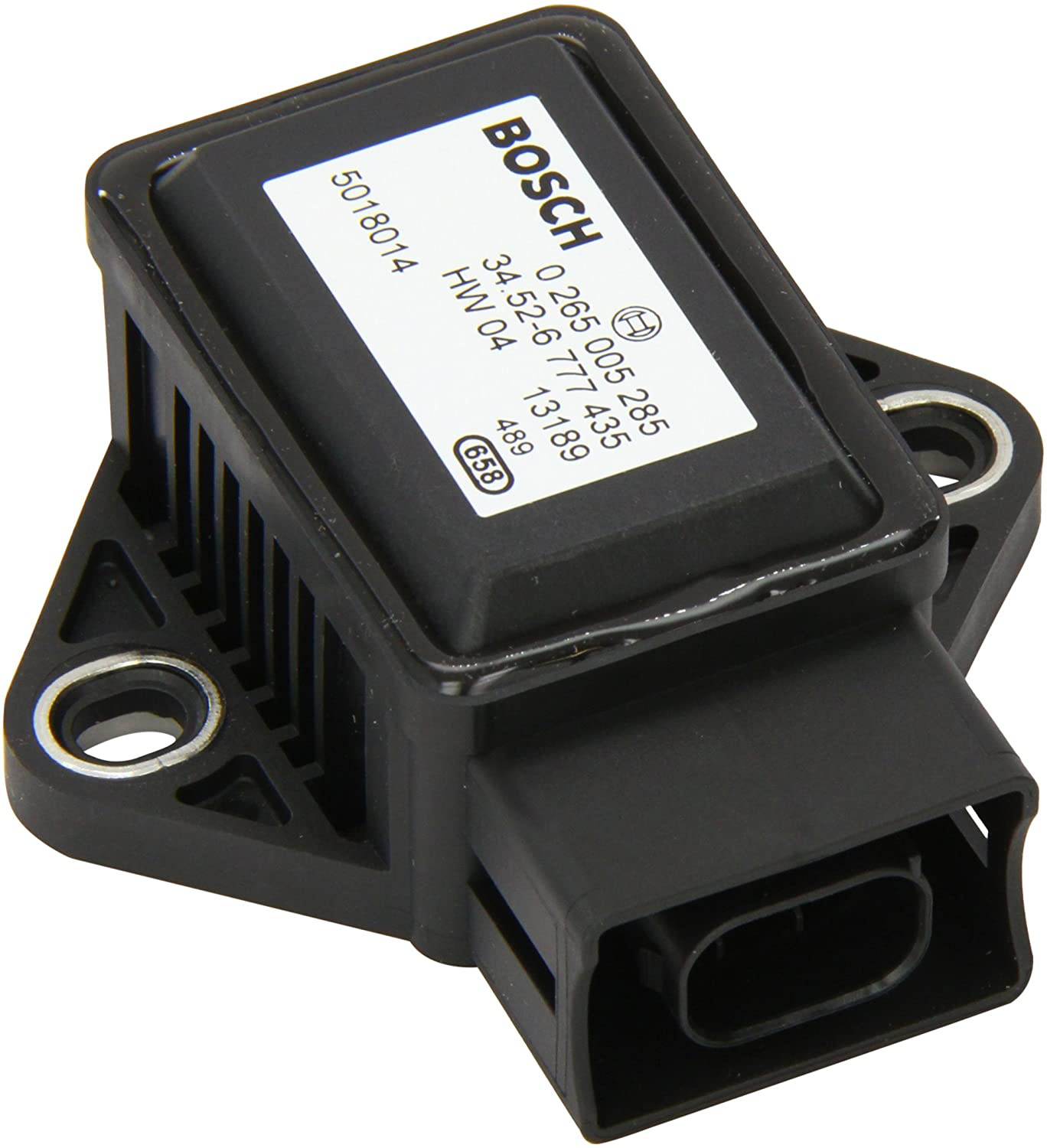
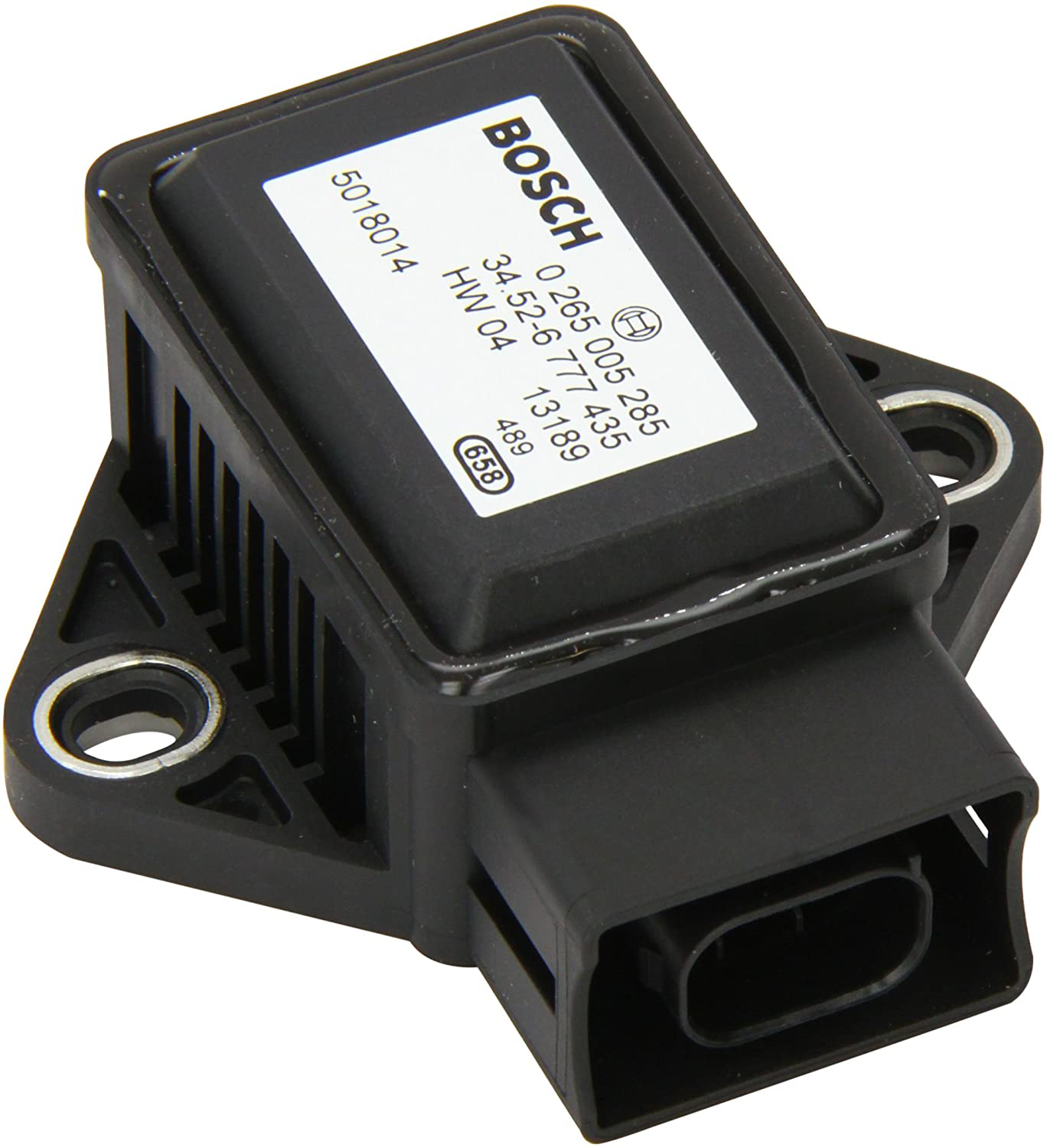
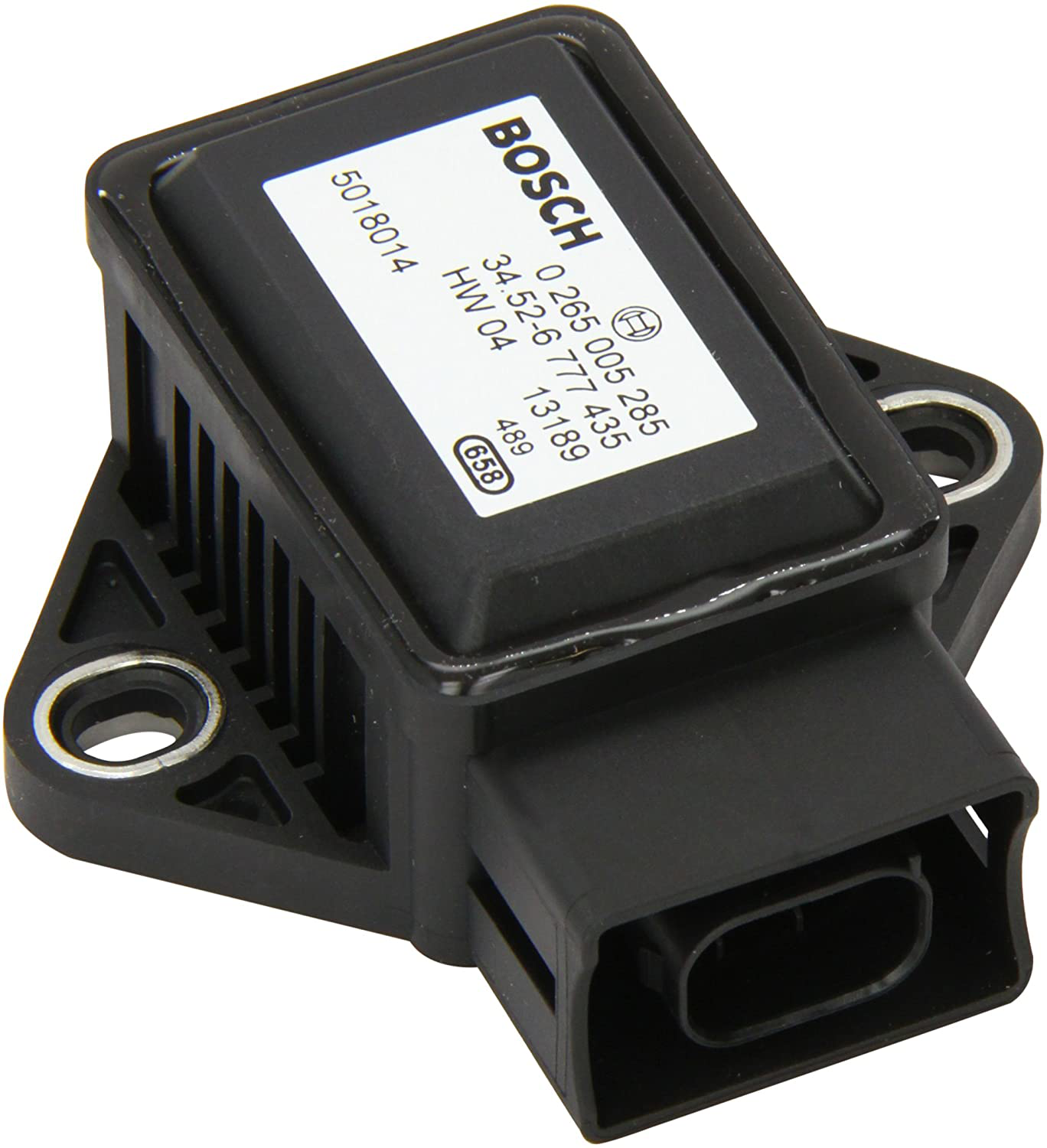
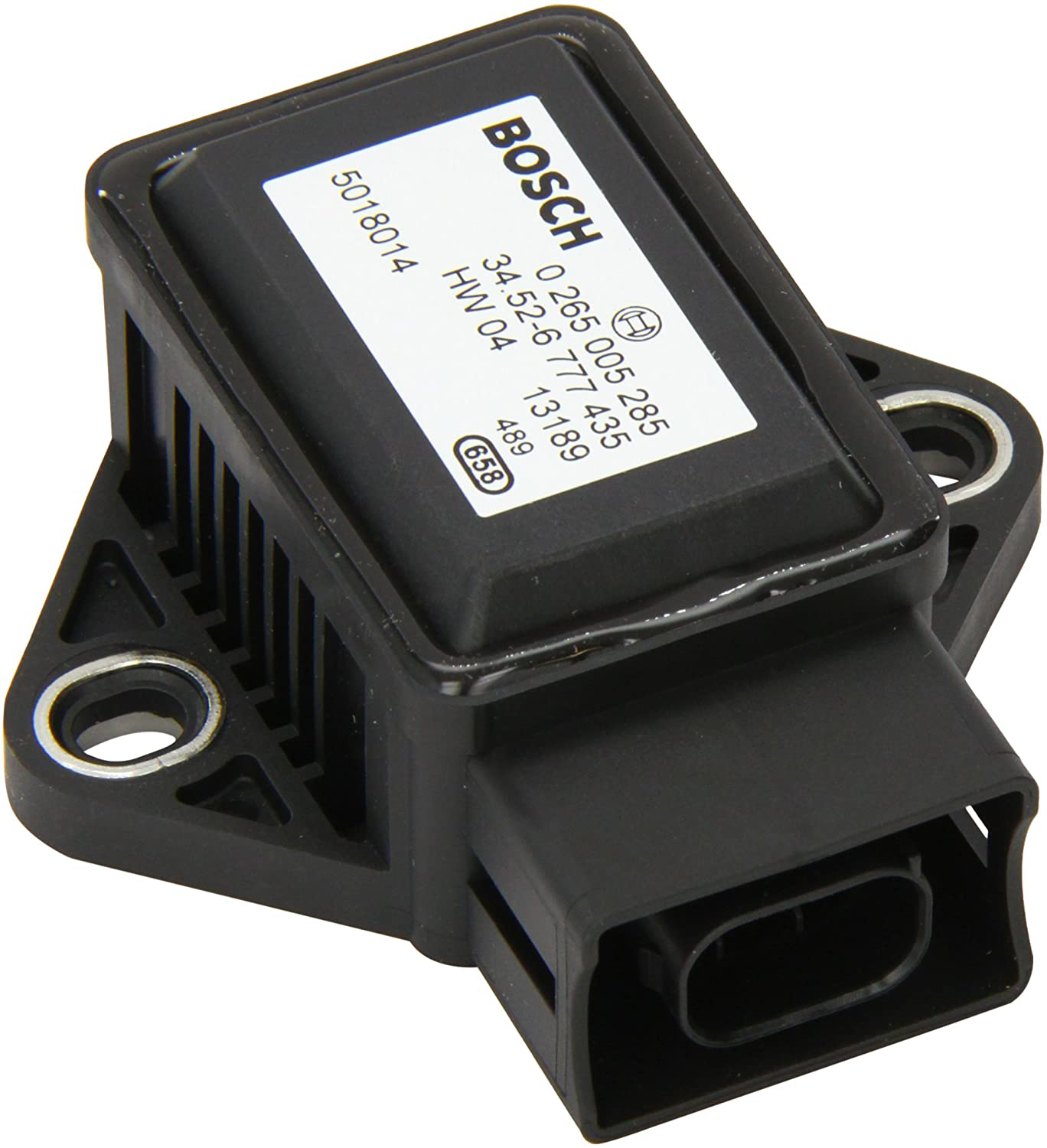
METZGER 09001553 Sensor, longitudinal- / lateral accelerationFitting Position: lateral installation; Fitting Position: C-Pillar, Rear, Front, B-Pillar, Front and Rear; Sensor Type: Crash Sensor; Airbag: for side airbag; Production date from: 26.05.2014, 03.11.2014, 25.05.2015; Number of Doors: 4; for PR number: 4X1, 0A2; Production date to: 03.02.202068,49 £*Shipping: 8,45 £Secure redirect to the provider


-
What are pimples and disinfectants?
Pimples are small inflammations on the skin caused by clogged pores, excess oil production, and bacteria. They can appear as red, raised bumps and are a common skin condition, especially during adolescence. Disinfectants are substances that are used to kill or inhibit the growth of microorganisms on surfaces or in wounds. They are commonly used to clean and sanitize skin, wounds, and surfaces to prevent the spread of infections. **
-
Can someone be allergic to disinfectants?
Yes, some people can be allergic to disinfectants. Disinfectants contain various chemicals that can trigger allergic reactions in sensitive individuals. Symptoms of an allergic reaction to disinfectants may include skin irritation, respiratory issues, or even anaphylaxis in severe cases. It is important for individuals who suspect they are allergic to disinfectants to avoid exposure and consult with a healthcare professional for proper diagnosis and management. **
-
Is it safe to inhale disinfectants?
No, it is not safe to inhale disinfectants. Inhaling disinfectants can cause irritation to the respiratory system, leading to coughing, shortness of breath, and other respiratory issues. Inhaling high concentrations of disinfectants can also lead to more severe health effects, such as chemical burns in the respiratory tract and damage to the lungs. It is important to always use disinfectants as directed and in well-ventilated areas to minimize the risk of inhaling harmful fumes. **
-
What are disinfectants and nail polish?
Disinfectants are chemical substances that are used to kill or inactivate microorganisms such as bacteria, viruses, and fungi on surfaces. They are commonly used in households, hospitals, and other public places to prevent the spread of infectious diseases. Nail polish is a cosmetic product that is applied to the fingernails or toenails to decorate and protect the nails. It is typically made from a combination of film-forming agents, solvents, and pigments. Nail polish comes in a variety of colors and finishes, and is often used as a fashion accessory. **


What causes the intolerance to disinfectants?
Intolerance to disinfectants can be caused by a variety of factors, including allergies or sensitivities to the chemicals in the disinfectants. Some individuals may have respiratory issues or skin conditions that are aggravated by exposure to disinfectants. Additionally, repeated or prolonged exposure to disinfectants can lead to sensitization and intolerance over time. It is important for individuals experiencing intolerance to disinfectants to identify the specific triggers and seek alternative cleaning products or methods to avoid adverse reactions. **
Are disinfectants allowed on the airplane?
Yes, disinfectants are allowed on airplanes. Passengers are allowed to bring disinfectant wipes, sprays, and gels in their carry-on luggage. It is recommended to use these disinfectants to clean your seating area and personal belongings to help prevent the spread of germs during the flight. However, it is important to check with the airline for any specific regulations or restrictions on the use of disinfectants onboard. **
Top-Angebote
Products related to Disinfectants:
-
METZGER 09001552 Sensor, longitudinal- / lateral accelerationFitting Position: lateral installation; Fitting Position: Front and Rear, C-Pillar, Rear, Front; Sensor Type: Crash Sensor; Airbag: for side airbag; for PR number: 4X1, 4X3, 0A2; Production date from: 31.05.2010; Production date to: 26.05.2014, 03.11.2014, 03.02.2020, 01.06.2020, 30.11.2015; Model Year to: 2014; Number of Doors: 4; Vehicle Identification Number (VIN) from: 2K-B-200 00168,49 £*Shipping: 8,45 £Secure redirect to the provider
-
METZGER 09001553 Sensor, longitudinal- / lateral accelerationFitting Position: lateral installation; Fitting Position: C-Pillar, Rear, Front, B-Pillar, Front and Rear; Sensor Type: Crash Sensor; Airbag: for side airbag; Production date from: 26.05.2014, 03.11.2014, 25.05.2015; Number of Doors: 4; for PR number: 4X1, 0A2; Production date to: 03.02.202068,49 £*Shipping: 8,45 £Secure redirect to the provider
-
Are disinfectants allowed on airplanes?
Yes, disinfectants are allowed on airplanes in limited quantities. Passengers are allowed to bring travel-sized disinfectant wipes or sprays in their carry-on luggage. It is important to check with the airline or Transportation Security Administration (TSA) for specific guidelines on bringing disinfectants on board. Additionally, it is recommended to use disinfectants in accordance with the airline's policies and guidelines to ensure the safety of all passengers and crew members. **
-
What are braces and disinfectants?
Braces are orthodontic devices used to straighten and align teeth, improve bite, and enhance overall dental health. They consist of brackets, wires, and bands that apply pressure to the teeth to gradually move them into the desired position. Disinfectants, on the other hand, are chemical agents used to kill or inhibit the growth of harmful microorganisms on surfaces, instruments, or in the air. They are commonly used in healthcare settings to prevent the spread of infections. **
-
What are pimples and disinfectants?
Pimples are small inflammations on the skin caused by clogged pores, excess oil production, and bacteria. They can appear as red, raised bumps and are a common skin condition, especially during adolescence. Disinfectants are substances that are used to kill or inhibit the growth of microorganisms on surfaces or in wounds. They are commonly used to clean and sanitize skin, wounds, and surfaces to prevent the spread of infections. **
-
Can someone be allergic to disinfectants?
Yes, some people can be allergic to disinfectants. Disinfectants contain various chemicals that can trigger allergic reactions in sensitive individuals. Symptoms of an allergic reaction to disinfectants may include skin irritation, respiratory issues, or even anaphylaxis in severe cases. It is important for individuals who suspect they are allergic to disinfectants to avoid exposure and consult with a healthcare professional for proper diagnosis and management. **
Similar search terms for Disinfectants
-
VEMO V10-72-1614 Sensor, longitudinal- / lateral accelerationNumber of pins: 3; Shape: Form differs from original; Vehicle Identification Number (VIN) to: 8L-2-060 000, 8L-21016 000, 1J-2B074 399, 1J-2D338 166, 1J-2P271 738, 1J-2U233 097, 1J-2W373 846, 1C-2-430 027, 9C-2-625 289, 1M2-063 000, 1M-2-063 000; Vehicle Identification Number (VIN) from: 1J-1B055 046, 1J-1D176 193, 1J1P033 108, 1J-1U042 484, 1J-1W220 002, 1C-1-429 517, 9C-1-616 518, 1J-1-200 002, 1J-1-220 002; Production date from: 04.09.2000501,99 £*Shipping: 1,99 £Secure redirect to the provider
-
VEMO V10-72-1249 Sensor, longitudinal- / lateral accelerationBraking/Driving Dynamics Article Reference: for ESP; Supplementary Article / Supplementary Info Info 2: without holding frame; Construction Year to: 02/2002, 10/2001, 12/2001; Vehicle Identification Number (VIN) to: 1J-2-50500049,49 £*Shipping: 8,45 £Secure redirect to the provider
-
Is it safe to inhale disinfectants?
No, it is not safe to inhale disinfectants. Inhaling disinfectants can cause irritation to the respiratory system, leading to coughing, shortness of breath, and other respiratory issues. Inhaling high concentrations of disinfectants can also lead to more severe health effects, such as chemical burns in the respiratory tract and damage to the lungs. It is important to always use disinfectants as directed and in well-ventilated areas to minimize the risk of inhaling harmful fumes. **
-
What are disinfectants and nail polish?
Disinfectants are chemical substances that are used to kill or inactivate microorganisms such as bacteria, viruses, and fungi on surfaces. They are commonly used in households, hospitals, and other public places to prevent the spread of infectious diseases. Nail polish is a cosmetic product that is applied to the fingernails or toenails to decorate and protect the nails. It is typically made from a combination of film-forming agents, solvents, and pigments. Nail polish comes in a variety of colors and finishes, and is often used as a fashion accessory. **
-
What causes the intolerance to disinfectants?
Intolerance to disinfectants can be caused by a variety of factors, including allergies or sensitivities to the chemicals in the disinfectants. Some individuals may have respiratory issues or skin conditions that are aggravated by exposure to disinfectants. Additionally, repeated or prolonged exposure to disinfectants can lead to sensitization and intolerance over time. It is important for individuals experiencing intolerance to disinfectants to identify the specific triggers and seek alternative cleaning products or methods to avoid adverse reactions. **
-
Are disinfectants allowed on the airplane?
Yes, disinfectants are allowed on airplanes. Passengers are allowed to bring disinfectant wipes, sprays, and gels in their carry-on luggage. It is recommended to use these disinfectants to clean your seating area and personal belongings to help prevent the spread of germs during the flight. However, it is important to check with the airline for any specific regulations or restrictions on the use of disinfectants onboard. **
* All prices are inclusive of VAT and, if applicable, plus shipping costs. The offer information is based on the details provided by the respective shop and is updated through automated processes. Real-time updates do not occur, so deviations can occur in individual cases. ** Note: Parts of this content were created by AI.