Buy aboutcars.eu ?
We are moving the project
aboutcars.eu .
Are you interested in purchasing the domain
aboutcars.eu ?
domain@kv-gmbh.de · 0541-91531010
Buy aboutcars.eu ?
'Ubiquiti or TP-Link?'
Both Ubiquiti and TP-Link are reputable brands in the networking industry, but they cater to different market segments. Ubiquiti is known for its high-performance, enterprise-grade networking equipment, often used by businesses and professionals. TP-Link, on the other hand, offers a wide range of networking products suitable for home and small business use, with a focus on affordability and ease of use. The choice between the two brands depends on the specific needs and budget of the user. If you require advanced features and reliability, Ubiquiti may be the better choice, while TP-Link is a great option for those looking for cost-effective and user-friendly networking solutions. **
Where do you attach the grounding cable?
The grounding cable is typically attached to a metal rod that is driven into the ground outside of a building. This rod is known as a grounding rod or earth electrode. The grounding cable is securely connected to this rod to provide a safe path for electrical currents to dissipate into the ground in the event of a fault or surge in the electrical system. It is important to ensure that the grounding cable is properly attached to the grounding rod to effectively protect against electrical hazards. **

Similar search terms for Ubiquiti-Direct-attach-cable
Top-Angebote
Products related to Ubiquiti-Direct-attach-cable:
-
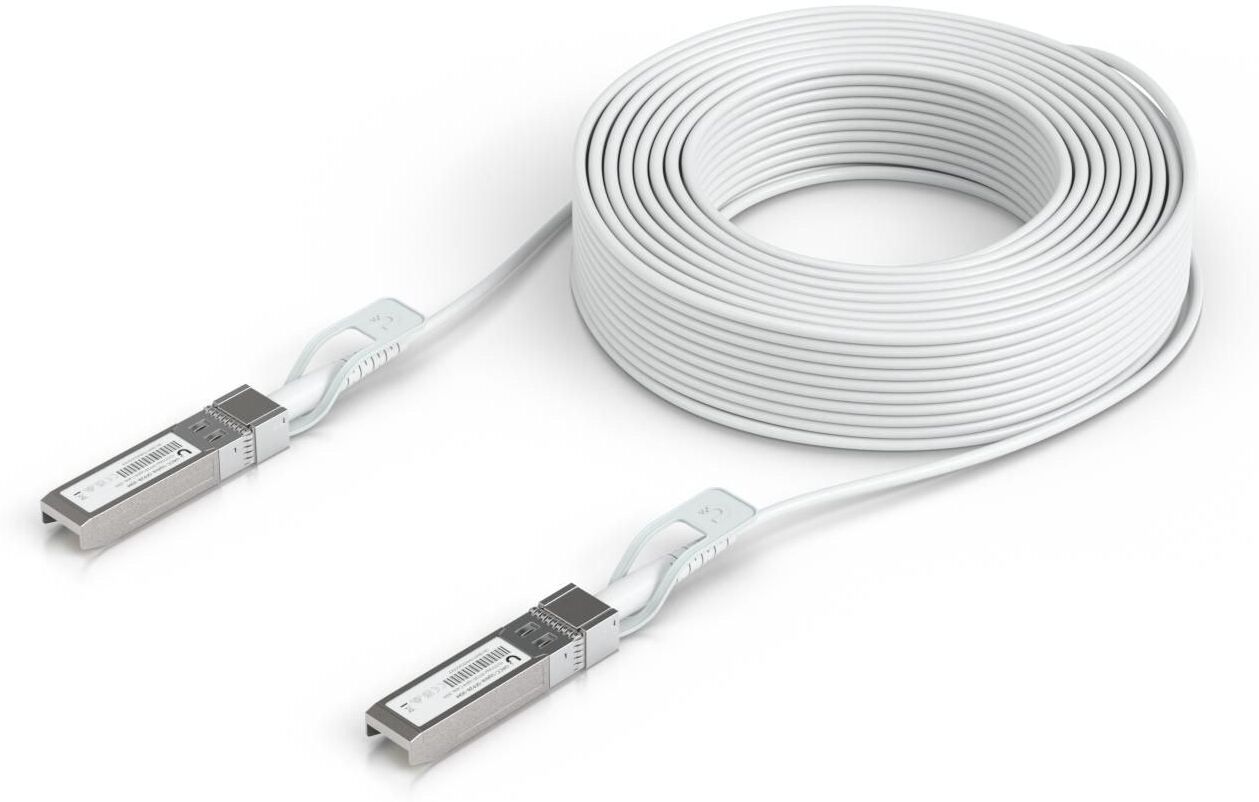
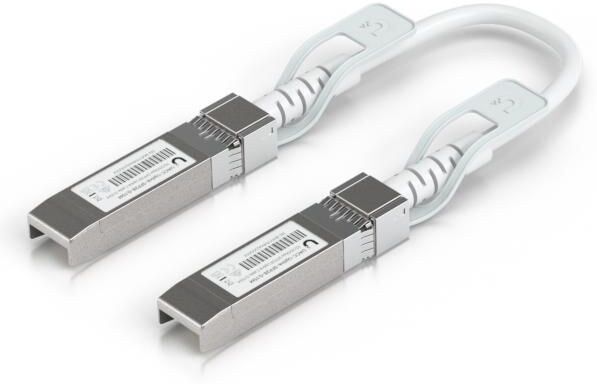
Lanview Ubiquiti UDC-2 Compatible SFP+ 10G Direct Attach Copper (DAC) Cable 2mLanview 10Gbps SFP+ direct attach copper (DAC) cable, 2 metres, with an SFP+ connector at each end. Compatible with Ubiquiti UDC-2 for linking switches, servers and network cards over short runs without separate transceivers.36,49 £*Shipping: 0,00 £Secure redirect to the provider



-
How do I attach a grounding cable?
To attach a grounding cable, first identify the grounding point on the equipment or structure you are working with. This is typically a metal point that is connected to the ground. Next, securely attach one end of the grounding cable to this grounding point using a bolt or clamp. Then, run the cable to the grounding source, which could be a grounding rod or a metal water pipe. Finally, securely attach the other end of the cable to the grounding source using a bolt or clamp. It's important to ensure that the connections are tight and secure to provide an effective grounding system. **
-
What is direct current technology?
Direct current (DC) technology is a type of electrical power transmission and distribution system in which the flow of electric charge is uni-directional. This means that the electric current flows in one direction, from the positive terminal to the negative terminal. DC technology is commonly used in small electronic devices, such as cell phones and laptops, as well as in some renewable energy systems, like solar panels and batteries. It is also used in some specialized industrial applications where a constant and stable power supply is required. **
-
How can you attach the cable to the refrigerator?
To attach the cable to the refrigerator, first locate the power input on the back of the refrigerator. Then, plug the cable into the power input securely, making sure it is inserted all the way. Once the cable is attached, you can then plug the other end into a power outlet. Make sure the cable is not twisted or bent in a way that could damage it, and ensure that the refrigerator is positioned close enough to the power outlet for the cable to reach without being stretched. **
-
How can you attach the plug to the power cable?
To attach the plug to the power cable, first strip the outer insulation of the power cable to expose the inner wires. Then, strip the insulation of the inner wires to expose the copper conductors. Next, insert the exposed copper conductors into the corresponding terminals of the plug, making sure to match the positive and negative wires correctly. Finally, tighten the screws on the plug to secure the wires in place and ensure a proper connection. It's important to follow the specific instructions and safety guidelines provided with the plug and power cable to ensure a secure and safe attachment. **

How do I attach cable ties to a roller chain?
To attach cable ties to a roller chain, you can simply thread the cable tie through the links of the roller chain and then secure it by pulling the end through the locking mechanism. Make sure to position the cable tie in a way that it does not interfere with the movement of the roller chain. This method provides a quick and easy way to secure items to a roller chain without the need for additional tools or hardware. **
How can one attach an Ethernet cable to the wall?
To attach an Ethernet cable to the wall, you can use cable clips or cable staples to secure the cable along the baseboard or wall. Alternatively, you can use adhesive cable clips or hooks to mount the cable along the wall. Another option is to use a cable raceway or conduit to hide and protect the Ethernet cable along the wall. Make sure to plan the route of the cable beforehand and use appropriate tools to secure it in place. **
Top-Angebote
Products related to Ubiquiti-Direct-attach-cable:
-
Lanview Ubiquiti UDC-2 Compatible SFP+ 10G Direct Attach Copper (DAC) Cable 2mLanview 10Gbps SFP+ direct attach copper (DAC) cable, 2 metres, with an SFP+ connector at each end. Compatible with Ubiquiti UDC-2 for linking switches, servers and network cards over short runs without separate transceivers.36,49 £*Shipping: 0,00 £Secure redirect to the provider
-
'Ubiquiti or TP-Link?'
Both Ubiquiti and TP-Link are reputable brands in the networking industry, but they cater to different market segments. Ubiquiti is known for its high-performance, enterprise-grade networking equipment, often used by businesses and professionals. TP-Link, on the other hand, offers a wide range of networking products suitable for home and small business use, with a focus on affordability and ease of use. The choice between the two brands depends on the specific needs and budget of the user. If you require advanced features and reliability, Ubiquiti may be the better choice, while TP-Link is a great option for those looking for cost-effective and user-friendly networking solutions. **
-
Where do you attach the grounding cable?
The grounding cable is typically attached to a metal rod that is driven into the ground outside of a building. This rod is known as a grounding rod or earth electrode. The grounding cable is securely connected to this rod to provide a safe path for electrical currents to dissipate into the ground in the event of a fault or surge in the electrical system. It is important to ensure that the grounding cable is properly attached to the grounding rod to effectively protect against electrical hazards. **
-
How do I attach a grounding cable?
To attach a grounding cable, first identify the grounding point on the equipment or structure you are working with. This is typically a metal point that is connected to the ground. Next, securely attach one end of the grounding cable to this grounding point using a bolt or clamp. Then, run the cable to the grounding source, which could be a grounding rod or a metal water pipe. Finally, securely attach the other end of the cable to the grounding source using a bolt or clamp. It's important to ensure that the connections are tight and secure to provide an effective grounding system. **
-
What is direct current technology?
Direct current (DC) technology is a type of electrical power transmission and distribution system in which the flow of electric charge is uni-directional. This means that the electric current flows in one direction, from the positive terminal to the negative terminal. DC technology is commonly used in small electronic devices, such as cell phones and laptops, as well as in some renewable energy systems, like solar panels and batteries. It is also used in some specialized industrial applications where a constant and stable power supply is required. **
Similar search terms for Ubiquiti-Direct-attach-cable
-
How can you attach the cable to the refrigerator?
To attach the cable to the refrigerator, first locate the power input on the back of the refrigerator. Then, plug the cable into the power input securely, making sure it is inserted all the way. Once the cable is attached, you can then plug the other end into a power outlet. Make sure the cable is not twisted or bent in a way that could damage it, and ensure that the refrigerator is positioned close enough to the power outlet for the cable to reach without being stretched. **
-
How can you attach the plug to the power cable?
To attach the plug to the power cable, first strip the outer insulation of the power cable to expose the inner wires. Then, strip the insulation of the inner wires to expose the copper conductors. Next, insert the exposed copper conductors into the corresponding terminals of the plug, making sure to match the positive and negative wires correctly. Finally, tighten the screws on the plug to secure the wires in place and ensure a proper connection. It's important to follow the specific instructions and safety guidelines provided with the plug and power cable to ensure a secure and safe attachment. **
-
How do I attach cable ties to a roller chain?
To attach cable ties to a roller chain, you can simply thread the cable tie through the links of the roller chain and then secure it by pulling the end through the locking mechanism. Make sure to position the cable tie in a way that it does not interfere with the movement of the roller chain. This method provides a quick and easy way to secure items to a roller chain without the need for additional tools or hardware. **
-
How can one attach an Ethernet cable to the wall?
To attach an Ethernet cable to the wall, you can use cable clips or cable staples to secure the cable along the baseboard or wall. Alternatively, you can use adhesive cable clips or hooks to mount the cable along the wall. Another option is to use a cable raceway or conduit to hide and protect the Ethernet cable along the wall. Make sure to plan the route of the cable beforehand and use appropriate tools to secure it in place. **
* All prices are inclusive of VAT and, if applicable, plus shipping costs. The offer information is based on the details provided by the respective shop and is updated through automated processes. Real-time updates do not occur, so deviations can occur in individual cases. ** Note: Parts of this content were created by AI.