Buy aboutcars.eu ?
We are moving the project
aboutcars.eu .
Are you interested in purchasing the domain
aboutcars.eu ?
domain@kv-gmbh.de · 0541-91531010
Buy aboutcars.eu ?
Is the Amazon porch being prepared?
Yes, the Amazon porch is being prepared. The necessary materials and tools are being gathered, and the area is being cleared and cleaned to make space for the construction. The team is working on setting up the foundation and ensuring all measurements are accurate before proceeding with the actual building process. **
Which animal is on my porch?
I'm sorry, but I am unable to see your porch or know which animal is on it. If you provide me with more information or describe the animal, I may be able to help you identify it. **


Similar search terms for Porch-Den-Harcourt-Turkish
Top-Angebote
Products related to Porch-Den-Harcourt-Turkish:
-
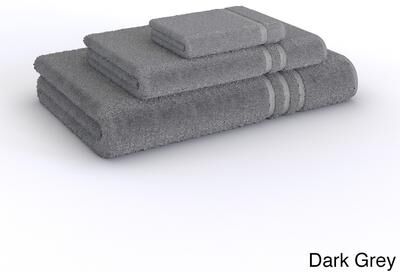
Porch & Den Imlay Cotton Fringed Oversized Turkish Beach TowelSunbathe in Style Head to the beach in style with Porch & Den's Turkish Beach Towels! Made with absorbant 100% cotton and fashionable fringe trim, our beach towels are the perfect companion for those hot days by the ocean.26,49 $*Shipping: 0,00 $Secure redirect to the provider
-
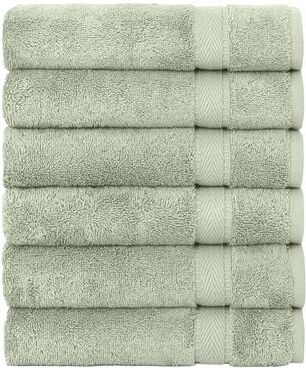
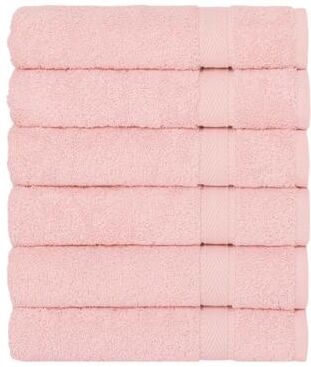
Porch & Den Harcourt Turkish Cotton Hand Towel (Set of 6)Dry off with the Harcourt hand towel set from Porch & Den. With a looped terrycloth design, this 6-piece set avoids shedding and piling while the Turkish cotton construction makes them ultra absorbent.40,55 $*Shipping: 0,00 $Secure redirect to the provider
-
Porch & Den Harcourt Turkish Cotton Hand Towel (Set of 6)Dry off with the Harcourt hand towel set from Porch & Den. With a looped terrycloth design, this 6-piece set avoids shedding and piling while the Turkish cotton construction makes them ultra absorbent.40,11 $*Shipping: 0,00 $Secure redirect to the provider



-
What does "den Nagel auf den Kopf treffen" mean?
"Den Nagel auf den Kopf treffen" is a German idiom that translates to "to hit the nail on the head" in English. It is used to describe a situation where someone has made a very accurate or precise statement or observation. It signifies that someone has expressed a thought or idea in a way that perfectly captures the essence of a situation or problem. **
-
Does it say "von Montag den" or "vom Montag den"?
The correct phrase is "von Montag den." This is because "von" is a preposition meaning "from," and "Montag" is the day of the week. When combined, they form the phrase "von Montag den," meaning "from Monday the." On the other hand, "vom" is a contraction of "von dem," which would not be used in this context. **
-
What is the correct wording: "Den Lebensmittelpunkt verlegen" or "Den Lebensmittelpunkt verlagern"?
Both "Den Lebensmittelpunkt verlegen" and "Den Lebensmittelpunkt verlagern" are correct wordings in German. However, there is a slight difference in meaning between the two. "Verlegen" implies moving the center of life to a new location, while "verlagern" suggests shifting the center of life to a different area without specifying a new location. **
-
How many of the stools on the porch are three-legged?
There are two three-legged stools on the porch. **
Is it "Ich habe den Fernseher eingeschaltet" or "Ich habe den Fernseher eingeschalten"?
The correct phrase is "Ich habe den Fernseher eingeschaltet." The verb "einschalten" is a separable verb, and in the perfect tense, the prefix "ein" is separated from the main verb "schalten" and placed at the end of the sentence. Therefore, the correct past participle form is "eingeschaltet." **
What is the meaning of the expression "den Wind aus den Segeln nehmen"?
The expression "den Wind aus den Segeln nehmen" is a German idiom that translates to "to take the wind out of someone's sails" in English. It means to undermine someone's confidence or momentum, to thwart their plans or efforts, or to deflate their enthusiasm. Essentially, it refers to the act of diminishing someone's advantage or power. **
Top-Angebote
Products related to Porch-Den-Harcourt-Turkish:
-
Porch & Den Harcourt Turkish Cotton Hand Towel (Set of 6)Dry off with the Harcourt hand towel set from Porch & Den. With a looped terrycloth design, this 6-piece set avoids shedding and piling while the Turkish cotton construction makes them ultra absorbent.41,71 $*Shipping: 0,00 $Secure redirect to the provider
-
Porch & Den Imlay Cotton Fringed Oversized Turkish Beach TowelSunbathe in Style Head to the beach in style with Porch & Den's Turkish Beach Towels! Made with absorbant 100% cotton and fashionable fringe trim, our beach towels are the perfect companion for those hot days by the ocean.26,49 $*Shipping: 0,00 $Secure redirect to the provider
-
Is the Amazon porch being prepared?
Yes, the Amazon porch is being prepared. The necessary materials and tools are being gathered, and the area is being cleared and cleaned to make space for the construction. The team is working on setting up the foundation and ensuring all measurements are accurate before proceeding with the actual building process. **
-
Which animal is on my porch?
I'm sorry, but I am unable to see your porch or know which animal is on it. If you provide me with more information or describe the animal, I may be able to help you identify it. **
-
What does "den Nagel auf den Kopf treffen" mean?
"Den Nagel auf den Kopf treffen" is a German idiom that translates to "to hit the nail on the head" in English. It is used to describe a situation where someone has made a very accurate or precise statement or observation. It signifies that someone has expressed a thought or idea in a way that perfectly captures the essence of a situation or problem. **
-
Does it say "von Montag den" or "vom Montag den"?
The correct phrase is "von Montag den." This is because "von" is a preposition meaning "from," and "Montag" is the day of the week. When combined, they form the phrase "von Montag den," meaning "from Monday the." On the other hand, "vom" is a contraction of "von dem," which would not be used in this context. **
Similar search terms for Porch-Den-Harcourt-Turkish
-
Porch & Den Harcourt Turkish Cotton Hand Towel (Set of 6)Dry off with the Harcourt hand towel set from Porch & Den. With a looped terrycloth design, this 6-piece set avoids shedding and piling while the Turkish cotton construction makes them ultra absorbent.40,55 $*Shipping: 0,00 $Secure redirect to the provider
-
Porch & Den Harcourt Turkish Cotton Hand Towel (Set of 6)Dry off with the Harcourt hand towel set from Porch & Den. With a looped terrycloth design, this 6-piece set avoids shedding and piling while the Turkish cotton construction makes them ultra absorbent.40,11 $*Shipping: 0,00 $Secure redirect to the provider
-
Porch & Den Harcourt Turkish Cotton Hand Towel (Set of 6)Dry off with the Harcourt hand towel set from Porch & Den. With a looped terrycloth design, this 6-piece set avoids shedding and piling while the Turkish cotton construction makes them ultra absorbent.42,37 $*Shipping: 0,00 $Secure redirect to the provider
-
Porch & Den Harcourt Turkish Cotton Hand Towel (Set of 6)Dry off with the Harcourt hand towel set from Porch & Den. With a looped terrycloth design, this 6-piece set avoids shedding and piling while the Turkish cotton construction makes them ultra absorbent.47,89 $*Shipping: 0,00 $Secure redirect to the provider
-
What is the correct wording: "Den Lebensmittelpunkt verlegen" or "Den Lebensmittelpunkt verlagern"?
Both "Den Lebensmittelpunkt verlegen" and "Den Lebensmittelpunkt verlagern" are correct wordings in German. However, there is a slight difference in meaning between the two. "Verlegen" implies moving the center of life to a new location, while "verlagern" suggests shifting the center of life to a different area without specifying a new location. **
-
How many of the stools on the porch are three-legged?
There are two three-legged stools on the porch. **
-
Is it "Ich habe den Fernseher eingeschaltet" or "Ich habe den Fernseher eingeschalten"?
The correct phrase is "Ich habe den Fernseher eingeschaltet." The verb "einschalten" is a separable verb, and in the perfect tense, the prefix "ein" is separated from the main verb "schalten" and placed at the end of the sentence. Therefore, the correct past participle form is "eingeschaltet." **
-
What is the meaning of the expression "den Wind aus den Segeln nehmen"?
The expression "den Wind aus den Segeln nehmen" is a German idiom that translates to "to take the wind out of someone's sails" in English. It means to undermine someone's confidence or momentum, to thwart their plans or efforts, or to deflate their enthusiasm. Essentially, it refers to the act of diminishing someone's advantage or power. **
* All prices are inclusive of VAT and, if applicable, plus shipping costs. The offer information is based on the details provided by the respective shop and is updated through automated processes. Real-time updates do not occur, so deviations can occur in individual cases. ** Note: Parts of this content were created by AI.