Buy aboutcars.eu ?
We are moving the project
aboutcars.eu .
Are you interested in purchasing the domain
aboutcars.eu ?
domain@kv-gmbh.de · 0541-91531010
Buy aboutcars.eu ?
What is the efficiency of combustion power plants?
The efficiency of combustion power plants can vary depending on the type of fuel used and the technology employed. Generally, modern combustion power plants can achieve efficiencies ranging from 30% to 40%. This means that only 30-40% of the energy content of the fuel is converted into electricity, while the rest is lost as waste heat. Efforts are being made to improve the efficiency of combustion power plants through advancements in technology and the use of combined heat and power systems. **
What are the safety measures in nuclear power plants?
Safety measures in nuclear power plants include multiple layers of protection to prevent accidents and minimize their consequences. These measures include strict regulations and oversight by government agencies, redundant safety systems to ensure continued cooling of the reactor core, containment structures to prevent the release of radioactive materials in case of an accident, and emergency preparedness plans to respond to any potential incidents. Additionally, regular inspections, maintenance, and training of plant personnel are crucial to ensure the safe operation of nuclear power plants. **
Similar search terms for Plants
Top-Angebote
Products related to Plants:
-
DEVERA 2-Pack 5.2FT Artificial Areca Palm PlantsFeatures Space-enhancing foliage Creates vertical greenery for compact areas. Artificial green plant home decoration no watering living room decoration. Uv resistant and not easy to fade factory delivery.121,73 $*Shipping: 0,00 $Secure redirect to the provider
-
Seasalt Wavecrest Short Sleeve Top Apothecary Plants ChalkThe Seasalt Wavecrest Short Sleeve Top Apothecary Plants Chalk flaunts short sleeves and a relaxed fit. A softly rounded collar and notch neckline give the organic cotton shirt a distinctive detail, and it is finished with a curved hem and small side slits for easy movement. In an original Seasalt print, inspired by Cornish landscape. Made from 100% Organic Cotton. Machine washable.25,00 £*Shipping: 3,50 £Secure redirect to the provider




-
What are cruciferous plants, mint family plants, and leguminous plants?
Cruciferous plants are a group of vegetables that belong to the Brassicaceae family, including broccoli, cauliflower, cabbage, and kale. Mint family plants, also known as Lamiaceae family, include herbs like mint, basil, rosemary, and oregano. Leguminous plants are members of the Fabaceae family and are known for their ability to fix nitrogen in the soil, including beans, peas, lentils, and peanuts. Each of these plant families includes a variety of edible plants that are commonly used in cooking and gardening. **
-
Does the photosynthesis of plants really only have an efficiency of 15 percent?
The efficiency of photosynthesis in plants is often cited as being around 15 percent, meaning that only 15 percent of the sunlight absorbed by the plant is converted into chemical energy. However, this number can vary depending on the specific plant species, environmental conditions, and the wavelength of light being used. Additionally, advancements in agricultural and biotechnological research have led to the development of more efficient photosynthetic processes, such as C4 and CAM photosynthesis, which can significantly improve overall efficiency. Therefore, while the 15 percent figure is a commonly cited average, it is important to recognize that there is variability and ongoing research in this area. **
-
Which plants?
There are many different types of plants in the world, ranging from flowering plants like roses and tulips to trees like oak and pine. Other common plants include grasses, ferns, succulents, and vegetables like tomatoes and carrots. Each type of plant has unique characteristics and requirements for growth, making them diverse and interesting to study and cultivate. **
-
Why are many arctic plants long-day plants?
Many arctic plants are long-day plants because they have adapted to the long periods of daylight that occur during the Arctic summer. These plants have evolved to take advantage of the extended daylight hours for photosynthesis and growth. By being able to photosynthesize for longer periods of time, arctic plants can maximize their growth and reproductive potential during the short growing season in the Arctic. **


Are sun plants the same as C4 plants?
No, sun plants and C4 plants are not the same. Sun plants are those that require full sunlight for optimal growth, while C4 plants are a specific type of plant that has adapted to hot and dry conditions by using a specialized photosynthetic pathway. This pathway allows C4 plants to efficiently capture and use carbon dioxide, making them more efficient in hot and dry environments compared to other types of plants. While some sun plants may also be C4 plants, not all sun plants are C4 plants and vice versa. **
What are early blooming plants and shade plants?
Early blooming plants are those that flower in the early spring, often before the trees have fully leafed out. These plants are important for providing early nectar and pollen for pollinators such as bees and butterflies. Shade plants are those that thrive in low light conditions, such as under the canopy of trees or on the north side of a building. These plants have adapted to receive less sunlight and often have larger leaves to capture as much light as possible. **
Top-Angebote
Products related to Plants:
-
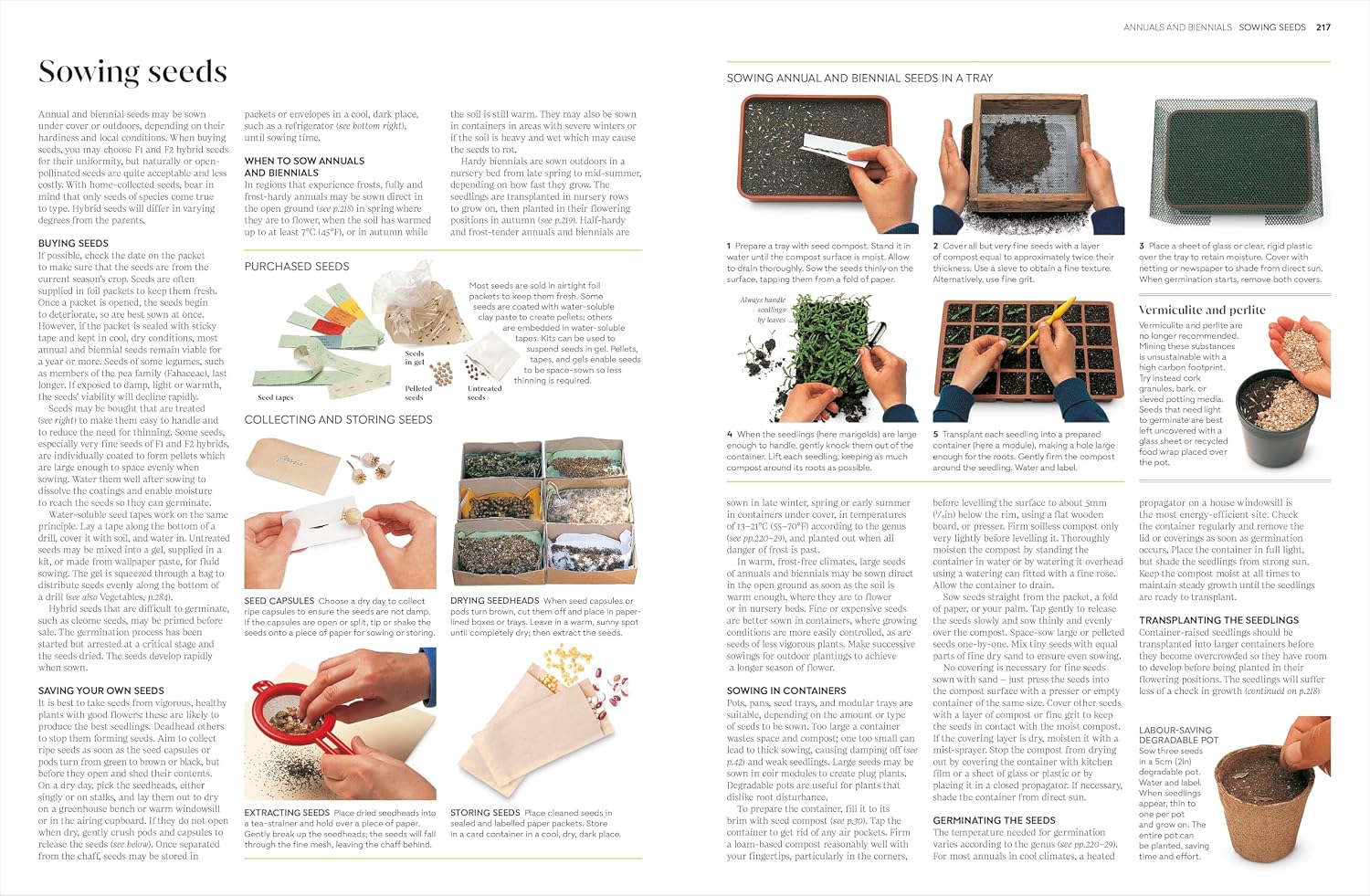
DK RHS Propagating Plants - How To Create New Plants For FreeFill your garden with beautiful plants for next-to-nothing Do you long to grow your own plants from scratch? This complete guide from the experts at the RHS will teach you how to propagate every type of plant. If you're a thrifty gardener who wants more plants for free, then this book is perfect for you! From fruit trees and ornamental shrubs to exotic orchids and succulents, get all the info you need to propagate 1,500+ garden plants. Crammed with hundreds of step-by-step tutorials and clear advice, ranging from straightforward and simple to more in-depth and challenging. The rating system in the plant-by-plant A-Z dictionaries provides you with a quick reference to the relative ease or difficulty of each method of propagation. How long do your seedlings need to germinate? What makes a healthy stem cutting? How do you know what type of rootstock to use when grafting plants? Find out the answer to these questions and more in the most comprehensive guide to propagating plants ever published.9,99 £*Shipping: 2,99 £Secure redirect to the provider
-
DEVERA 2-Pack 5.2FT Artificial Areca Palm PlantsFeatures Space-enhancing foliage Creates vertical greenery for compact areas. Artificial green plant home decoration no watering living room decoration. Uv resistant and not easy to fade factory delivery.121,73 $*Shipping: 0,00 $Secure redirect to the provider
-
What is the efficiency of combustion power plants?
The efficiency of combustion power plants can vary depending on the type of fuel used and the technology employed. Generally, modern combustion power plants can achieve efficiencies ranging from 30% to 40%. This means that only 30-40% of the energy content of the fuel is converted into electricity, while the rest is lost as waste heat. Efforts are being made to improve the efficiency of combustion power plants through advancements in technology and the use of combined heat and power systems. **
-
What are the safety measures in nuclear power plants?
Safety measures in nuclear power plants include multiple layers of protection to prevent accidents and minimize their consequences. These measures include strict regulations and oversight by government agencies, redundant safety systems to ensure continued cooling of the reactor core, containment structures to prevent the release of radioactive materials in case of an accident, and emergency preparedness plans to respond to any potential incidents. Additionally, regular inspections, maintenance, and training of plant personnel are crucial to ensure the safe operation of nuclear power plants. **
-
What are cruciferous plants, mint family plants, and leguminous plants?
Cruciferous plants are a group of vegetables that belong to the Brassicaceae family, including broccoli, cauliflower, cabbage, and kale. Mint family plants, also known as Lamiaceae family, include herbs like mint, basil, rosemary, and oregano. Leguminous plants are members of the Fabaceae family and are known for their ability to fix nitrogen in the soil, including beans, peas, lentils, and peanuts. Each of these plant families includes a variety of edible plants that are commonly used in cooking and gardening. **
-
Does the photosynthesis of plants really only have an efficiency of 15 percent?
The efficiency of photosynthesis in plants is often cited as being around 15 percent, meaning that only 15 percent of the sunlight absorbed by the plant is converted into chemical energy. However, this number can vary depending on the specific plant species, environmental conditions, and the wavelength of light being used. Additionally, advancements in agricultural and biotechnological research have led to the development of more efficient photosynthetic processes, such as C4 and CAM photosynthesis, which can significantly improve overall efficiency. Therefore, while the 15 percent figure is a commonly cited average, it is important to recognize that there is variability and ongoing research in this area. **
Similar search terms for Plants
-
Seasalt Wavecrest Short Sleeve Top Apothecary Plants ChalkThe Seasalt Wavecrest Short Sleeve Top Apothecary Plants Chalk flaunts short sleeves and a relaxed fit. A softly rounded collar and notch neckline give the organic cotton shirt a distinctive detail, and it is finished with a curved hem and small side slits for easy movement. In an original Seasalt print, inspired by Cornish landscape. Made from 100% Organic Cotton. Machine washable.25,00 £*Shipping: 3,50 £Secure redirect to the provider
-
RHS Propagating Plants: How to Create New Plants For Free (New Edition) - Non Fiction - Hardback DKFill your garden with beautiful plants for next-to-nothing Do you long to grow your own plants from scratch? This complete guide from the experts at the RHS will teach you how to propagate every type of plant. If you're a thrifty gardener who wants more plants for free, then this book is perfect for you! From fruit trees and ornamental shrubs to exotic orchids and succulents, get all the info you need to propagate 1,500+ garden plants. Crammed with hundreds of step-by-step tutorials and clear advice, ranging from straightforward and simple to more in-depth and challenging. The rating system in the plant-by-plant A-Z dictionaries provides you with a quick reference to the relative ease or difficulty of each method of propagation. How long do your seedlings need to germinate? What makes a healthy stem cutting? How do you know what type of rootstock to use when grafting plants? Find out the answer to these questions and more in the most comprehensive guide to propagating plants ever published.12,99 £*Shipping: 2,99 £Secure redirect to the provider
-
Which plants?
There are many different types of plants in the world, ranging from flowering plants like roses and tulips to trees like oak and pine. Other common plants include grasses, ferns, succulents, and vegetables like tomatoes and carrots. Each type of plant has unique characteristics and requirements for growth, making them diverse and interesting to study and cultivate. **
-
Why are many arctic plants long-day plants?
Many arctic plants are long-day plants because they have adapted to the long periods of daylight that occur during the Arctic summer. These plants have evolved to take advantage of the extended daylight hours for photosynthesis and growth. By being able to photosynthesize for longer periods of time, arctic plants can maximize their growth and reproductive potential during the short growing season in the Arctic. **
-
Are sun plants the same as C4 plants?
No, sun plants and C4 plants are not the same. Sun plants are those that require full sunlight for optimal growth, while C4 plants are a specific type of plant that has adapted to hot and dry conditions by using a specialized photosynthetic pathway. This pathway allows C4 plants to efficiently capture and use carbon dioxide, making them more efficient in hot and dry environments compared to other types of plants. While some sun plants may also be C4 plants, not all sun plants are C4 plants and vice versa. **
-
What are early blooming plants and shade plants?
Early blooming plants are those that flower in the early spring, often before the trees have fully leafed out. These plants are important for providing early nectar and pollen for pollinators such as bees and butterflies. Shade plants are those that thrive in low light conditions, such as under the canopy of trees or on the north side of a building. These plants have adapted to receive less sunlight and often have larger leaves to capture as much light as possible. **
* All prices are inclusive of VAT and, if applicable, plus shipping costs. The offer information is based on the details provided by the respective shop and is updated through automated processes. Real-time updates do not occur, so deviations can occur in individual cases. ** Note: Parts of this content were created by AI.