Buy aboutcars.eu ?
We are moving the project
aboutcars.eu .
Are you interested in purchasing the domain
aboutcars.eu ?
domain@kv-gmbh.de · 0541-91531010
Buy aboutcars.eu ?
What is the difference between a perfectly inelastic collision and an inelastic collision?
In a perfectly inelastic collision, the two objects stick together after colliding and move as one mass. This means that kinetic energy is not conserved in a perfectly inelastic collision. In contrast, in an inelastic collision, the objects may deform or bounce off each other, but they do not stick together. Kinetic energy is also not conserved in an inelastic collision, but the objects do not move together as one mass. **
What is inelastic collision dynamics?
In an inelastic collision, kinetic energy is not conserved, and some of the initial kinetic energy is transformed into other forms of energy, such as thermal or sound energy. This results in the objects sticking together after the collision, or deforming and losing some of their initial kinetic energy. Inelastic collisions are characterized by a decrease in kinetic energy and the objects involved experiencing a change in shape or structure. The dynamics of inelastic collisions can be described using the principles of conservation of momentum and conservation of kinetic energy. **
Similar search terms for Inelastic
Top-Angebote
Products related to Inelastic:
-
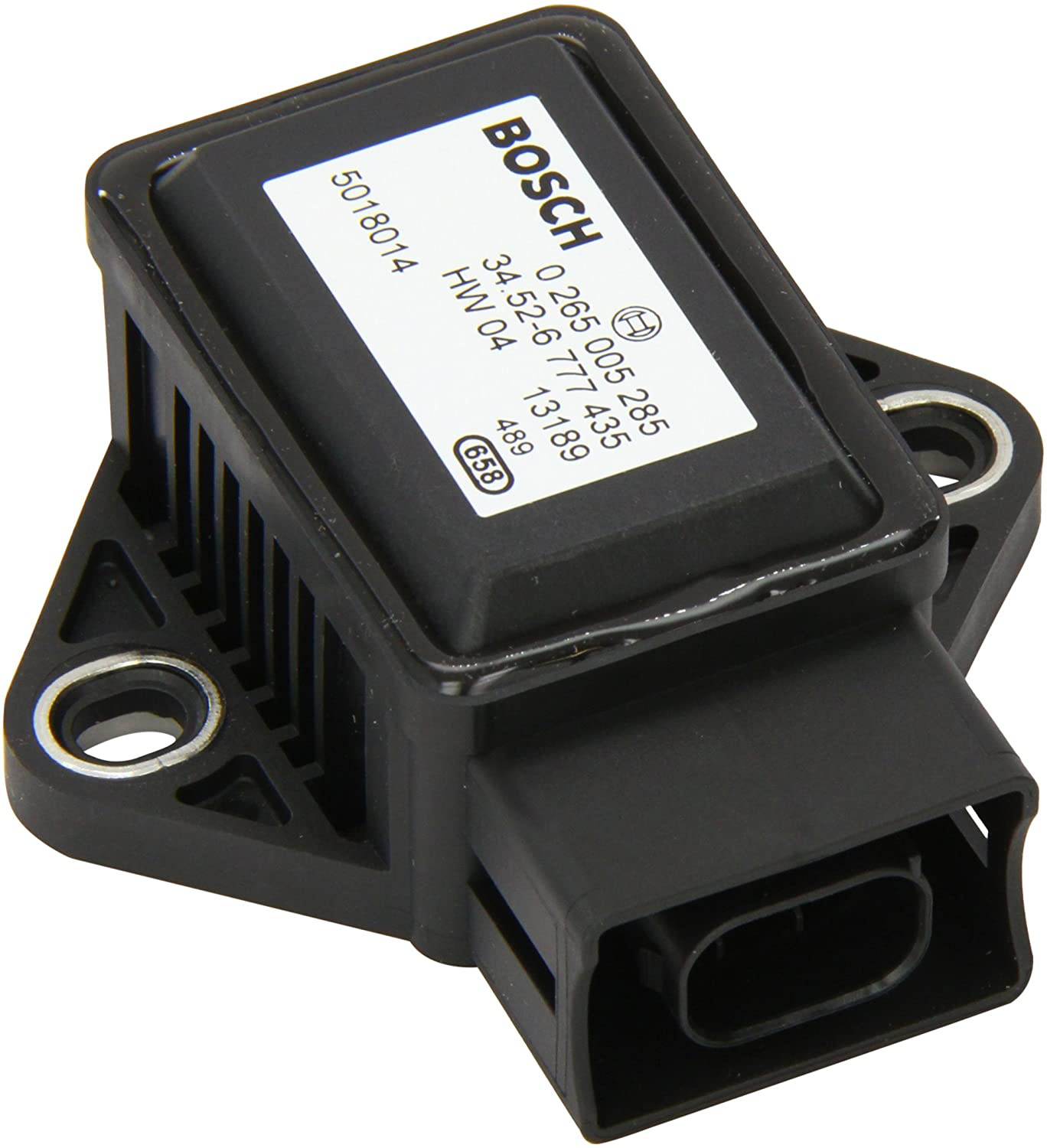
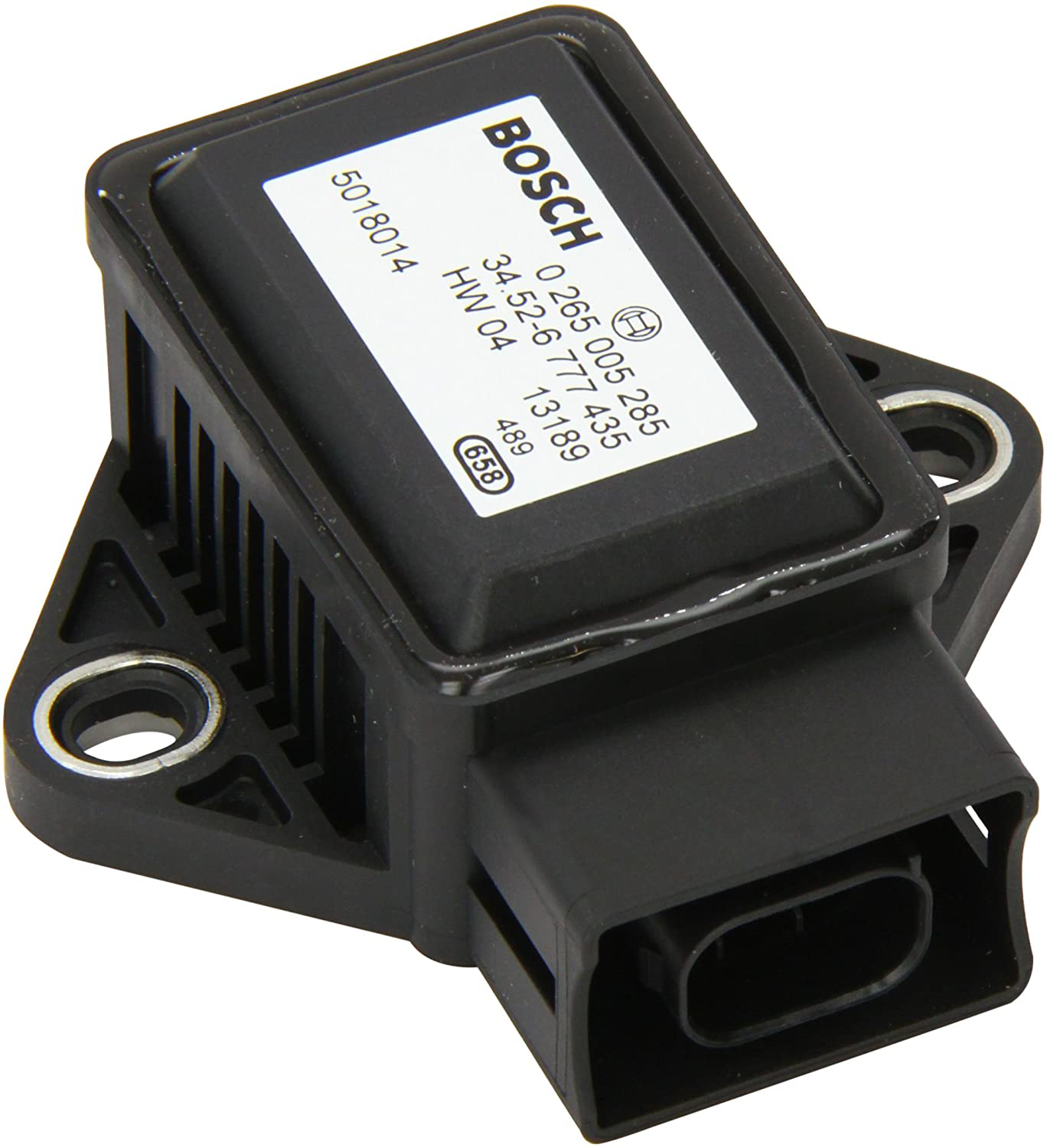
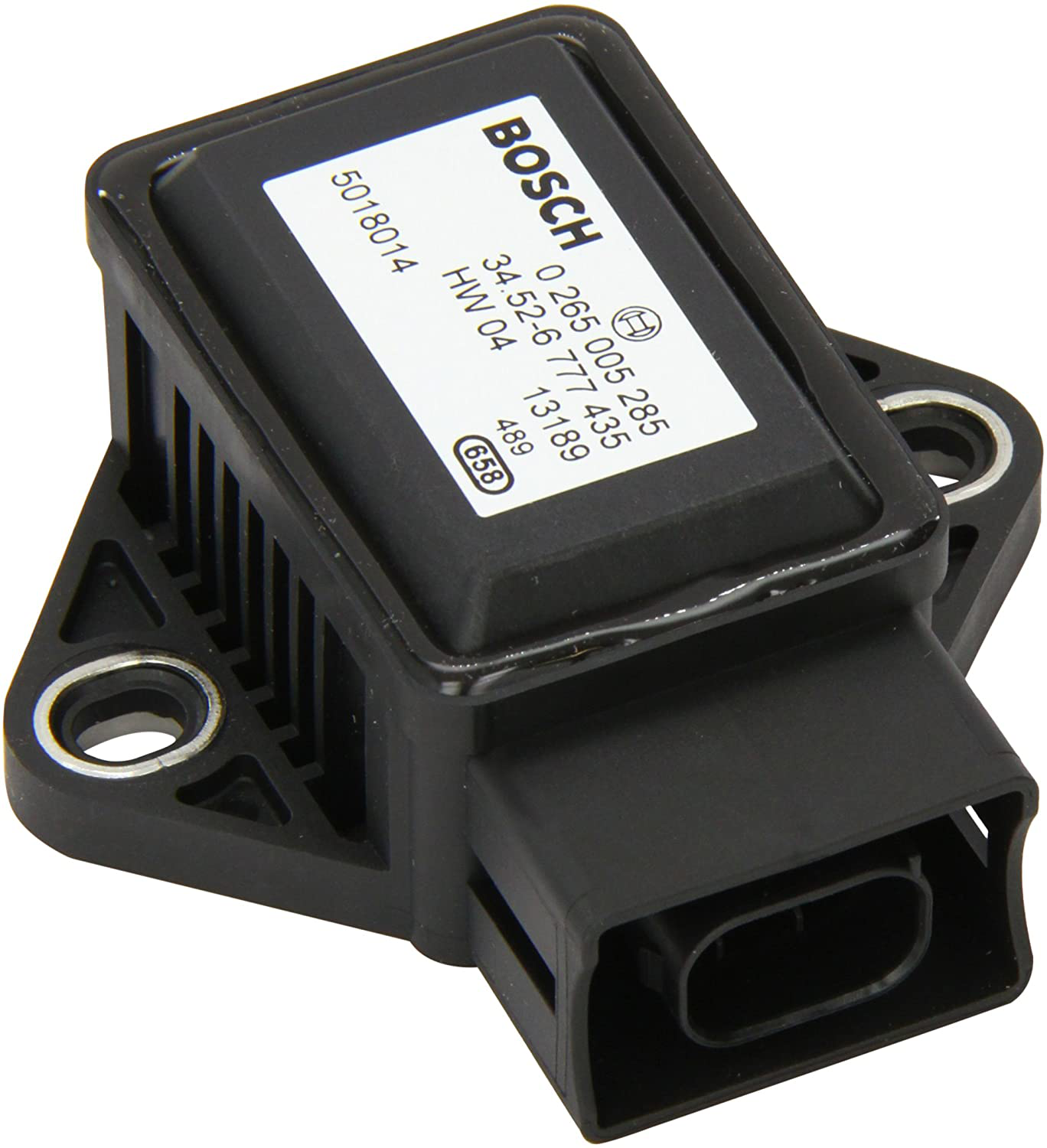
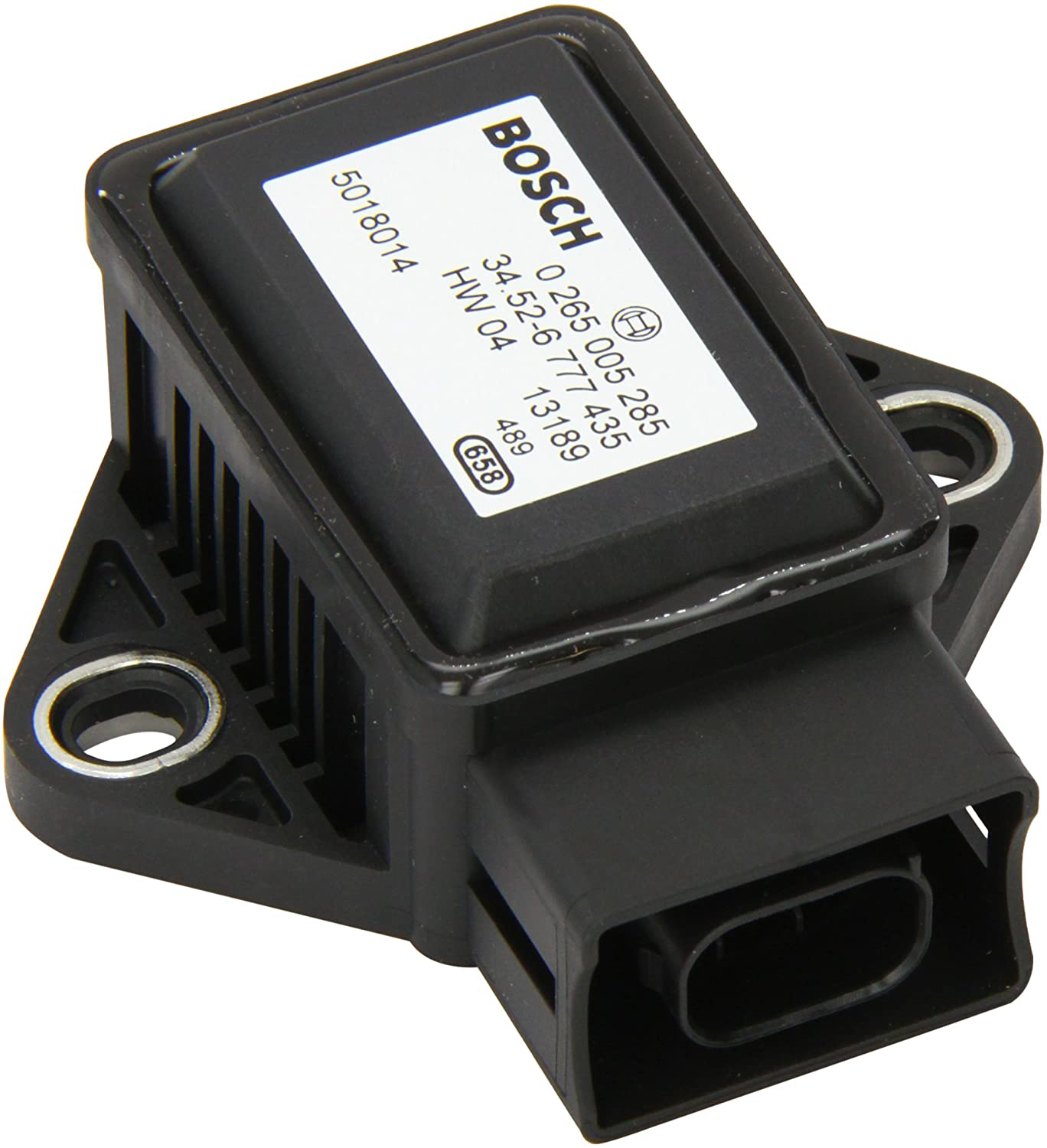
METZGER 09001553 Sensor, longitudinal- / lateral accelerationFitting Position: lateral installation; Fitting Position: C-Pillar, Rear, Front, B-Pillar, Front and Rear; Sensor Type: Crash Sensor; Airbag: for side airbag; Production date from: 26.05.2014, 03.11.2014, 25.05.2015; Number of Doors: 4; for PR number: 4X1, 0A2; Production date to: 03.02.202068,49 £*Shipping: 8,45 £Secure redirect to the provider


-
What is an inelastic collision?
An inelastic collision is a type of collision in which kinetic energy is not conserved. In an inelastic collision, the objects involved stick together or deform, resulting in some of the initial kinetic energy being transformed into other forms of energy such as heat, sound, or deformation. This means that the total kinetic energy of the system is not the same before and after the collision. In an inelastic collision, momentum is still conserved, but the kinetic energy is not. **
-
Is this an elastic or inelastic collision?
This is an inelastic collision. In an inelastic collision, kinetic energy is not conserved, and the objects involved stick together after the collision. This can be seen in the fact that the two cars move together after the collision, indicating that they have become entangled and are no longer separate entities. **
-
How do you calculate an inelastic collision?
To calculate an inelastic collision, you need to use the conservation of momentum and kinetic energy. First, calculate the total momentum of the system before the collision and after the collision. Then, use the conservation of momentum to solve for the final velocities of the objects involved in the collision. Next, calculate the total kinetic energy before and after the collision and use the conservation of kinetic energy to solve for the final velocities. Finally, use the final velocities to determine the final state of the objects after the collision. **
-
What is energy dissipation in inelastic collisions?
Energy dissipation in inelastic collisions refers to the loss of kinetic energy during the collision, resulting in the formation of internal energy within the system. This internal energy can manifest as heat, sound, or deformation of the objects involved in the collision. In contrast to elastic collisions where kinetic energy is conserved, inelastic collisions involve a transfer of energy that is not fully retained by the objects involved. The amount of energy dissipated in an inelastic collision can be calculated by comparing the initial and final kinetic energies of the system. **


What is a task for an inelastic collision?
A task for an inelastic collision is to calculate the final velocities of the objects involved in the collision. In an inelastic collision, kinetic energy is not conserved, so the final velocities of the objects will depend on the masses and initial velocities of the objects. The task involves using the principles of conservation of momentum to determine the final velocities of the objects after the collision. This can be done using the equation m1v1 + m2v2 = (m1 + m2)v, where m1 and m2 are the masses of the objects, v1 and v2 are their initial velocities, and v is their final velocity. **
What is an inelastic collision of 2 coins?
An inelastic collision of 2 coins occurs when the coins collide and stick together after the collision. In this type of collision, kinetic energy is not conserved, and some of the initial kinetic energy is transformed into other forms of energy, such as thermal or sound energy. As a result, the total kinetic energy of the system is lower after the collision than before. This type of collision is often seen in real-world scenarios, such as when two objects with some degree of stickiness collide. **
Top-Angebote
Products related to Inelastic:
-
METZGER 09001552 Sensor, longitudinal- / lateral accelerationFitting Position: lateral installation; Fitting Position: Front and Rear, C-Pillar, Rear, Front; Sensor Type: Crash Sensor; Airbag: for side airbag; for PR number: 4X1, 4X3, 0A2; Production date from: 31.05.2010; Production date to: 26.05.2014, 03.11.2014, 03.02.2020, 01.06.2020, 30.11.2015; Model Year to: 2014; Number of Doors: 4; Vehicle Identification Number (VIN) from: 2K-B-200 00168,49 £*Shipping: 8,45 £Secure redirect to the provider
-
METZGER 09001553 Sensor, longitudinal- / lateral accelerationFitting Position: lateral installation; Fitting Position: C-Pillar, Rear, Front, B-Pillar, Front and Rear; Sensor Type: Crash Sensor; Airbag: for side airbag; Production date from: 26.05.2014, 03.11.2014, 25.05.2015; Number of Doors: 4; for PR number: 4X1, 0A2; Production date to: 03.02.202068,49 £*Shipping: 8,45 £Secure redirect to the provider
-
What is the difference between a perfectly inelastic collision and an inelastic collision?
In a perfectly inelastic collision, the two objects stick together after colliding and move as one mass. This means that kinetic energy is not conserved in a perfectly inelastic collision. In contrast, in an inelastic collision, the objects may deform or bounce off each other, but they do not stick together. Kinetic energy is also not conserved in an inelastic collision, but the objects do not move together as one mass. **
-
What is inelastic collision dynamics?
In an inelastic collision, kinetic energy is not conserved, and some of the initial kinetic energy is transformed into other forms of energy, such as thermal or sound energy. This results in the objects sticking together after the collision, or deforming and losing some of their initial kinetic energy. Inelastic collisions are characterized by a decrease in kinetic energy and the objects involved experiencing a change in shape or structure. The dynamics of inelastic collisions can be described using the principles of conservation of momentum and conservation of kinetic energy. **
-
What is an inelastic collision?
An inelastic collision is a type of collision in which kinetic energy is not conserved. In an inelastic collision, the objects involved stick together or deform, resulting in some of the initial kinetic energy being transformed into other forms of energy such as heat, sound, or deformation. This means that the total kinetic energy of the system is not the same before and after the collision. In an inelastic collision, momentum is still conserved, but the kinetic energy is not. **
-
Is this an elastic or inelastic collision?
This is an inelastic collision. In an inelastic collision, kinetic energy is not conserved, and the objects involved stick together after the collision. This can be seen in the fact that the two cars move together after the collision, indicating that they have become entangled and are no longer separate entities. **
Similar search terms for Inelastic
-
VEMO V10-72-1614 Sensor, longitudinal- / lateral accelerationNumber of pins: 3; Shape: Form differs from original; Vehicle Identification Number (VIN) to: 8L-2-060 000, 8L-21016 000, 1J-2B074 399, 1J-2D338 166, 1J-2P271 738, 1J-2U233 097, 1J-2W373 846, 1C-2-430 027, 9C-2-625 289, 1M2-063 000, 1M-2-063 000; Vehicle Identification Number (VIN) from: 1J-1B055 046, 1J-1D176 193, 1J1P033 108, 1J-1U042 484, 1J-1W220 002, 1C-1-429 517, 9C-1-616 518, 1J-1-200 002, 1J-1-220 002; Production date from: 04.09.2000501,99 £*Shipping: 1,99 £Secure redirect to the provider
-
VEMO V10-72-1249 Sensor, longitudinal- / lateral accelerationBraking/Driving Dynamics Article Reference: for ESP; Supplementary Article / Supplementary Info Info 2: without holding frame; Construction Year to: 02/2002, 10/2001, 12/2001; Vehicle Identification Number (VIN) to: 1J-2-50500049,49 £*Shipping: 8,45 £Secure redirect to the provider
-
How do you calculate an inelastic collision?
To calculate an inelastic collision, you need to use the conservation of momentum and kinetic energy. First, calculate the total momentum of the system before the collision and after the collision. Then, use the conservation of momentum to solve for the final velocities of the objects involved in the collision. Next, calculate the total kinetic energy before and after the collision and use the conservation of kinetic energy to solve for the final velocities. Finally, use the final velocities to determine the final state of the objects after the collision. **
-
What is energy dissipation in inelastic collisions?
Energy dissipation in inelastic collisions refers to the loss of kinetic energy during the collision, resulting in the formation of internal energy within the system. This internal energy can manifest as heat, sound, or deformation of the objects involved in the collision. In contrast to elastic collisions where kinetic energy is conserved, inelastic collisions involve a transfer of energy that is not fully retained by the objects involved. The amount of energy dissipated in an inelastic collision can be calculated by comparing the initial and final kinetic energies of the system. **
-
What is a task for an inelastic collision?
A task for an inelastic collision is to calculate the final velocities of the objects involved in the collision. In an inelastic collision, kinetic energy is not conserved, so the final velocities of the objects will depend on the masses and initial velocities of the objects. The task involves using the principles of conservation of momentum to determine the final velocities of the objects after the collision. This can be done using the equation m1v1 + m2v2 = (m1 + m2)v, where m1 and m2 are the masses of the objects, v1 and v2 are their initial velocities, and v is their final velocity. **
-
What is an inelastic collision of 2 coins?
An inelastic collision of 2 coins occurs when the coins collide and stick together after the collision. In this type of collision, kinetic energy is not conserved, and some of the initial kinetic energy is transformed into other forms of energy, such as thermal or sound energy. As a result, the total kinetic energy of the system is lower after the collision than before. This type of collision is often seen in real-world scenarios, such as when two objects with some degree of stickiness collide. **
* All prices are inclusive of VAT and, if applicable, plus shipping costs. The offer information is based on the details provided by the respective shop and is updated through automated processes. Real-time updates do not occur, so deviations can occur in individual cases. ** Note: Parts of this content were created by AI.