Buy aboutcars.eu ?
We are moving the project
aboutcars.eu .
Are you interested in purchasing the domain
aboutcars.eu ?
domain@kv-gmbh.de · 0541-91531010
Buy aboutcars.eu ?
Are equilateral triangles always similar?
Yes, equilateral triangles are always similar to each other. This is because all equilateral triangles have the same angles (60 degrees) and all sides are equal in length. Similarity in geometry means that the shapes have the same angles and their sides are proportional. Since equilateral triangles meet these criteria, they are always similar to each other. **
What is an equilateral triangle?
An equilateral triangle is a type of triangle where all three sides are of equal length. This means that all three angles in an equilateral triangle are also equal, each measuring 60 degrees. Equilateral triangles are a special case of an isosceles triangle, where two sides are equal in length. They have a high degree of symmetry and are commonly used in geometry and design due to their balanced and uniform appearance. **

Similar search terms for Equilateral
Top-Angebote
Products related to Equilateral:
-
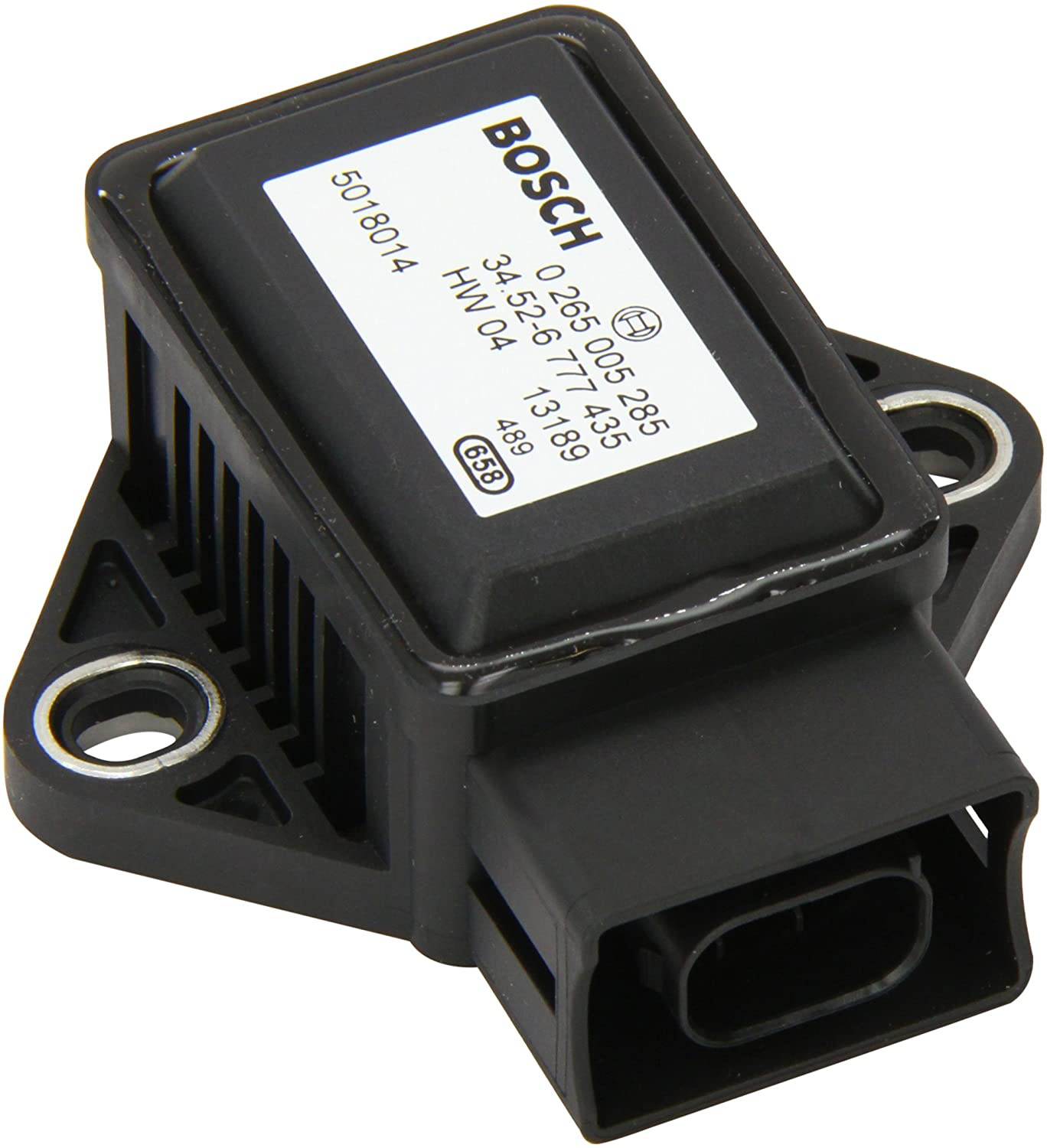
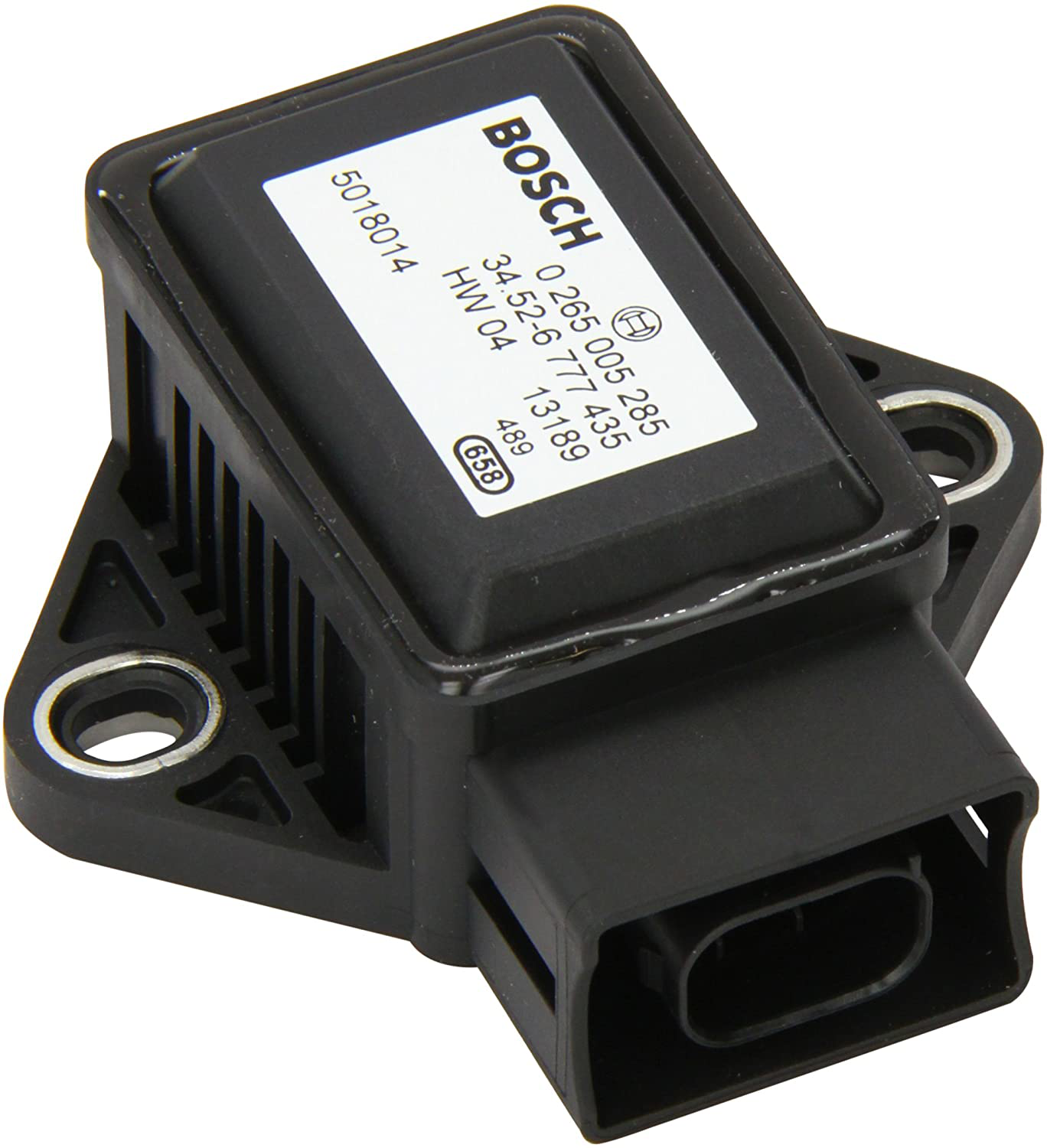
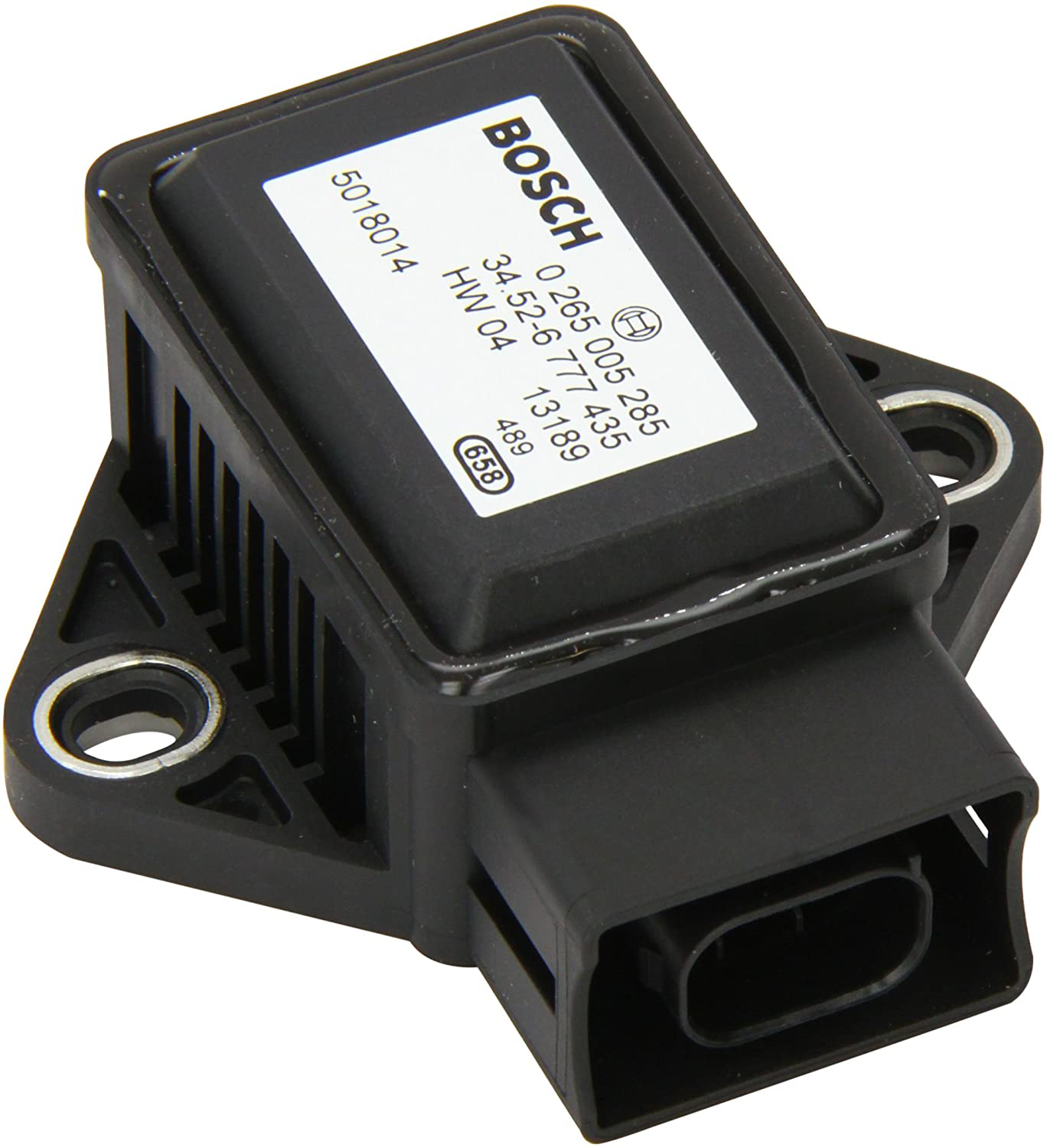
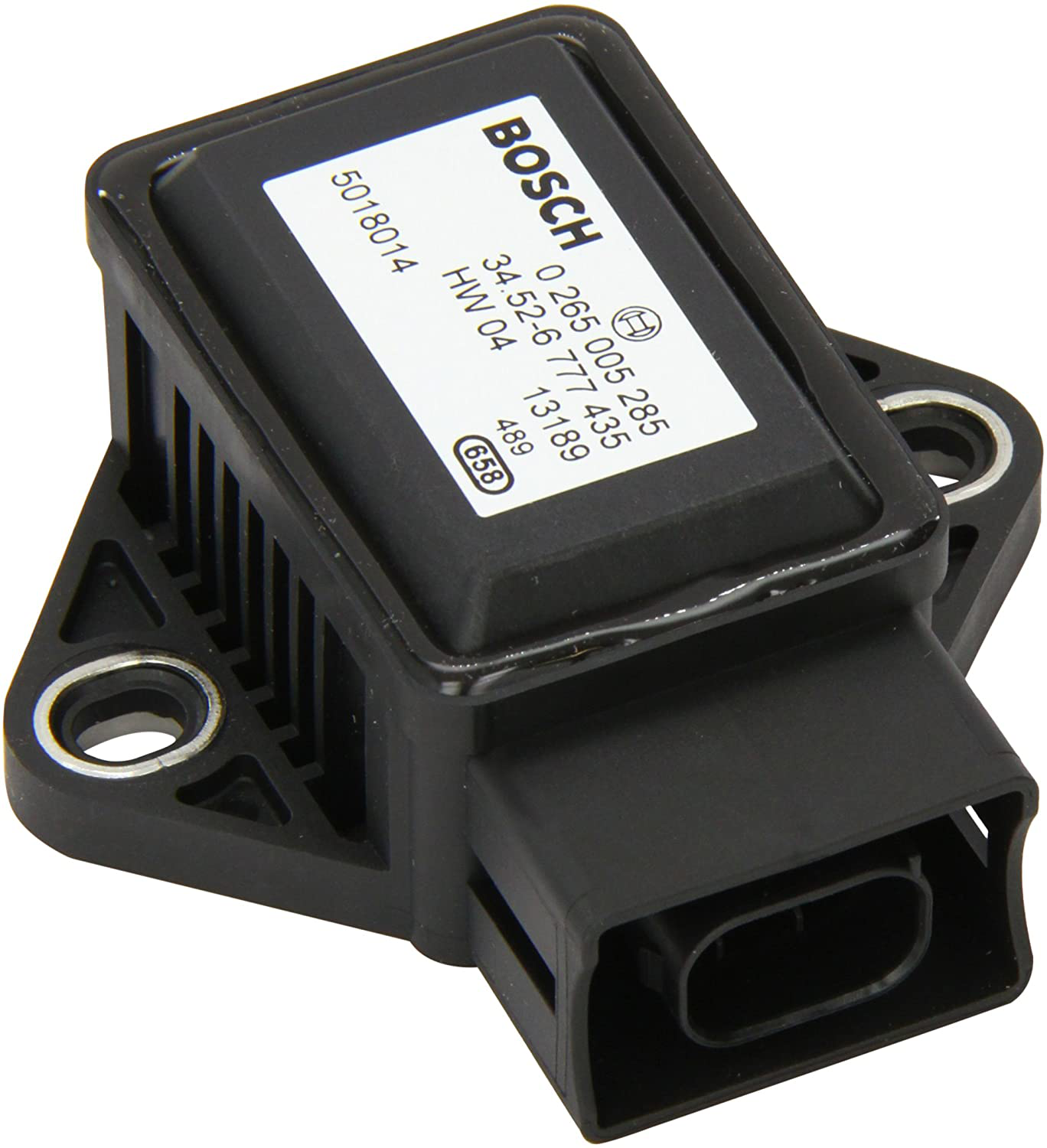
METZGER 09001625 Sensor, longitudinal- / lateral accelerationNumber of pins: 3; Number of mounting bores: 2; Version: BESCHLEUNIGU.SENSOR, IAM; Vehicle Identification Number (VIN) from: 125158, 187334, 212245; not for special equipment code: 805, 487, P99, 809, 489; Vehicle Identification Number (VIN) to: 125157, 212243, A285430, L005340, A220291, F249847, R064587, L015715, V000829, A145567, A468797, A470940, A023466; for special equipment code: 806, 867, 489, 214, 487, 483; Model Year from: 1996; Production date to: 31.03.2009, 30.05.2008, 02.09.2008, 08.09.2008, 06.08.2008; for OE number: A0009056502; Suspension: for vehicles with Active Body Control; not for vehicle equipment line/trim level: AMG SIGNATURE, AMG BLACK SERIES; Vehicle production plant: A, T; Spring Type: for vehicles with air suspension; for model code/type code: 221.08091,49 £*Shipping: 8,45 £Secure redirect to the provider

-
Are some isosceles triangles also equilateral?
Yes, some isosceles triangles can also be equilateral. An equilateral triangle is a special case of an isosceles triangle where all three sides are equal in length. Therefore, any equilateral triangle is also an isosceles triangle. However, not all isosceles triangles are equilateral, as isosceles triangles only require two sides to be of equal length. **
-
Is there a right-angled equilateral triangle?
No, there is no such thing as a right-angled equilateral triangle. By definition, an equilateral triangle has all three sides of equal length, and all three angles are also equal. In a right-angled triangle, one of the angles is 90 degrees. Since the angles in an equilateral triangle are all 60 degrees, it is not possible for it to have a 90-degree angle and still be equilateral. **
-
Is every isosceles triangle an equilateral triangle?
No, not every isosceles triangle is an equilateral triangle. An isosceles triangle has two sides that are equal in length, while an equilateral triangle has all three sides equal in length. Therefore, an isosceles triangle can have two equal sides and one different side, while an equilateral triangle has all three sides equal. **
-
What is an equilateral triangle in mathematics?
An equilateral triangle is a type of triangle where all three sides are of equal length. This means that all three angles in an equilateral triangle are also equal, each measuring 60 degrees. Equilateral triangles are a special case of an isosceles triangle, where two sides are equal in length. They have a high degree of symmetry and are commonly used in geometry and trigonometry. **


What are the interior angles of an equilateral triangle?
The interior angles of an equilateral triangle are all 60 degrees. This is because an equilateral triangle has three equal sides and three equal angles. Each angle in an equilateral triangle is one-third of the total 180 degrees in a triangle, making each angle 60 degrees. **
What is the difference between equilateral and isosceles triangles?
An equilateral triangle has all three sides of equal length, and all three angles are also equal, measuring 60 degrees each. On the other hand, an isosceles triangle has two sides of equal length and two equal angles. The third side and angle in an isosceles triangle are not equal to the other two. In summary, the main difference between the two is that an equilateral triangle has all sides and angles equal, while an isosceles triangle has only two sides and angles equal. **
Top-Angebote
Products related to Equilateral:
-
METZGER 09001552 Sensor, longitudinal- / lateral accelerationFitting Position: lateral installation; Fitting Position: Front and Rear, C-Pillar, Rear, Front; Sensor Type: Crash Sensor; Airbag: for side airbag; for PR number: 4X1, 4X3, 0A2; Production date from: 31.05.2010; Production date to: 26.05.2014, 03.11.2014, 03.02.2020, 01.06.2020, 30.11.2015; Model Year to: 2014; Number of Doors: 4; Vehicle Identification Number (VIN) from: 2K-B-200 00168,49 £*Shipping: 8,45 £Secure redirect to the provider
-
METZGER 09001553 Sensor, longitudinal- / lateral accelerationFitting Position: lateral installation; Fitting Position: C-Pillar, Rear, Front, B-Pillar, Front and Rear; Sensor Type: Crash Sensor; Airbag: for side airbag; Production date from: 26.05.2014, 03.11.2014, 25.05.2015; Number of Doors: 4; for PR number: 4X1, 0A2; Production date to: 03.02.202068,49 £*Shipping: 8,45 £Secure redirect to the provider
-
METZGER 09001625 Sensor, longitudinal- / lateral accelerationNumber of pins: 3; Number of mounting bores: 2; Version: BESCHLEUNIGU.SENSOR, IAM; Vehicle Identification Number (VIN) from: 125158, 187334, 212245; not for special equipment code: 805, 487, P99, 809, 489; Vehicle Identification Number (VIN) to: 125157, 212243, A285430, L005340, A220291, F249847, R064587, L015715, V000829, A145567, A468797, A470940, A023466; for special equipment code: 806, 867, 489, 214, 487, 483; Model Year from: 1996; Production date to: 31.03.2009, 30.05.2008, 02.09.2008, 08.09.2008, 06.08.2008; for OE number: A0009056502; Suspension: for vehicles with Active Body Control; not for vehicle equipment line/trim level: AMG SIGNATURE, AMG BLACK SERIES; Vehicle production plant: A, T; Spring Type: for vehicles with air suspension; for model code/type code: 221.08091,49 £*Shipping: 8,45 £Secure redirect to the provider
-
Are equilateral triangles always similar?
Yes, equilateral triangles are always similar to each other. This is because all equilateral triangles have the same angles (60 degrees) and all sides are equal in length. Similarity in geometry means that the shapes have the same angles and their sides are proportional. Since equilateral triangles meet these criteria, they are always similar to each other. **
-
What is an equilateral triangle?
An equilateral triangle is a type of triangle where all three sides are of equal length. This means that all three angles in an equilateral triangle are also equal, each measuring 60 degrees. Equilateral triangles are a special case of an isosceles triangle, where two sides are equal in length. They have a high degree of symmetry and are commonly used in geometry and design due to their balanced and uniform appearance. **
-
Are some isosceles triangles also equilateral?
Yes, some isosceles triangles can also be equilateral. An equilateral triangle is a special case of an isosceles triangle where all three sides are equal in length. Therefore, any equilateral triangle is also an isosceles triangle. However, not all isosceles triangles are equilateral, as isosceles triangles only require two sides to be of equal length. **
-
Is there a right-angled equilateral triangle?
No, there is no such thing as a right-angled equilateral triangle. By definition, an equilateral triangle has all three sides of equal length, and all three angles are also equal. In a right-angled triangle, one of the angles is 90 degrees. Since the angles in an equilateral triangle are all 60 degrees, it is not possible for it to have a 90-degree angle and still be equilateral. **
Similar search terms for Equilateral
-
Sesderma Reti Age 5 Liposomal Serum Anti-Aging Innovation 30mLA facial serum for wrinkles and signs of ageing. Reduces wrinkles and fine lines. Hydrates and strengthens barrier. Restores youthful radiance. 5-Retinoid System: smooths wrinkles, accelerates renewal, and boosts collagen. Biomimetic Peptides: fill expression lines by stimulating collagen synthesis.41,69 £*Shipping: 5,34 £Secure redirect to the provider
-
Is every isosceles triangle an equilateral triangle?
No, not every isosceles triangle is an equilateral triangle. An isosceles triangle has two sides that are equal in length, while an equilateral triangle has all three sides equal in length. Therefore, an isosceles triangle can have two equal sides and one different side, while an equilateral triangle has all three sides equal. **
-
What is an equilateral triangle in mathematics?
An equilateral triangle is a type of triangle where all three sides are of equal length. This means that all three angles in an equilateral triangle are also equal, each measuring 60 degrees. Equilateral triangles are a special case of an isosceles triangle, where two sides are equal in length. They have a high degree of symmetry and are commonly used in geometry and trigonometry. **
-
What are the interior angles of an equilateral triangle?
The interior angles of an equilateral triangle are all 60 degrees. This is because an equilateral triangle has three equal sides and three equal angles. Each angle in an equilateral triangle is one-third of the total 180 degrees in a triangle, making each angle 60 degrees. **
-
What is the difference between equilateral and isosceles triangles?
An equilateral triangle has all three sides of equal length, and all three angles are also equal, measuring 60 degrees each. On the other hand, an isosceles triangle has two sides of equal length and two equal angles. The third side and angle in an isosceles triangle are not equal to the other two. In summary, the main difference between the two is that an equilateral triangle has all sides and angles equal, while an isosceles triangle has only two sides and angles equal. **
* All prices are inclusive of VAT and, if applicable, plus shipping costs. The offer information is based on the details provided by the respective shop and is updated through automated processes. Real-time updates do not occur, so deviations can occur in individual cases. ** Note: Parts of this content were created by AI.