Buy aboutcars.eu ?
We are moving the project
aboutcars.eu .
Are you interested in purchasing the domain
aboutcars.eu ?
domain@kv-gmbh.de · 0541-91531010
Buy aboutcars.eu ?
Why is there a difference between NaOH (s) and NaOH (aq)?
The difference between NaOH (s) and NaOH (aq) lies in their physical state and chemical behavior. NaOH (s) refers to solid sodium hydroxide, which exists as a crystalline substance at room temperature. On the other hand, NaOH (aq) refers to sodium hydroxide dissolved in water, forming an aqueous solution. When NaOH dissolves in water, it dissociates into Na+ and OH- ions, resulting in a highly alkaline solution with conductive properties. This difference in physical state and chemical behavior is due to the interaction of sodium hydroxide with water molecules, leading to distinct properties for the solid and aqueous forms. **
How many grams or liters of 15% NaOH can be obtained by diluting 100 liters of 50% NaOH? NaOH 15%: 116 g/ml, NaOH 50%: 164 g/ml.
To find out how many grams of 15% NaOH can be obtained by diluting 100 liters of 50% NaOH, we can use the formula: C1V1 = C2V2, where C1 is the concentration of the initial solution, V1 is the volume of the initial solution, C2 is the concentration of the final solution, and V2 is the volume of the final solution. Plugging in the values, we get: (50%)(100L) = (15%)(V2). Solving for V2, we get V2 = (50%)(100L) / (15%) = 333.33L. So, 333.33 liters of 15% NaOH can be obtained by diluting 100 liters of 50% NaOH. **

Similar search terms for NaOH
Top-Angebote
Products related to NaOH:
-
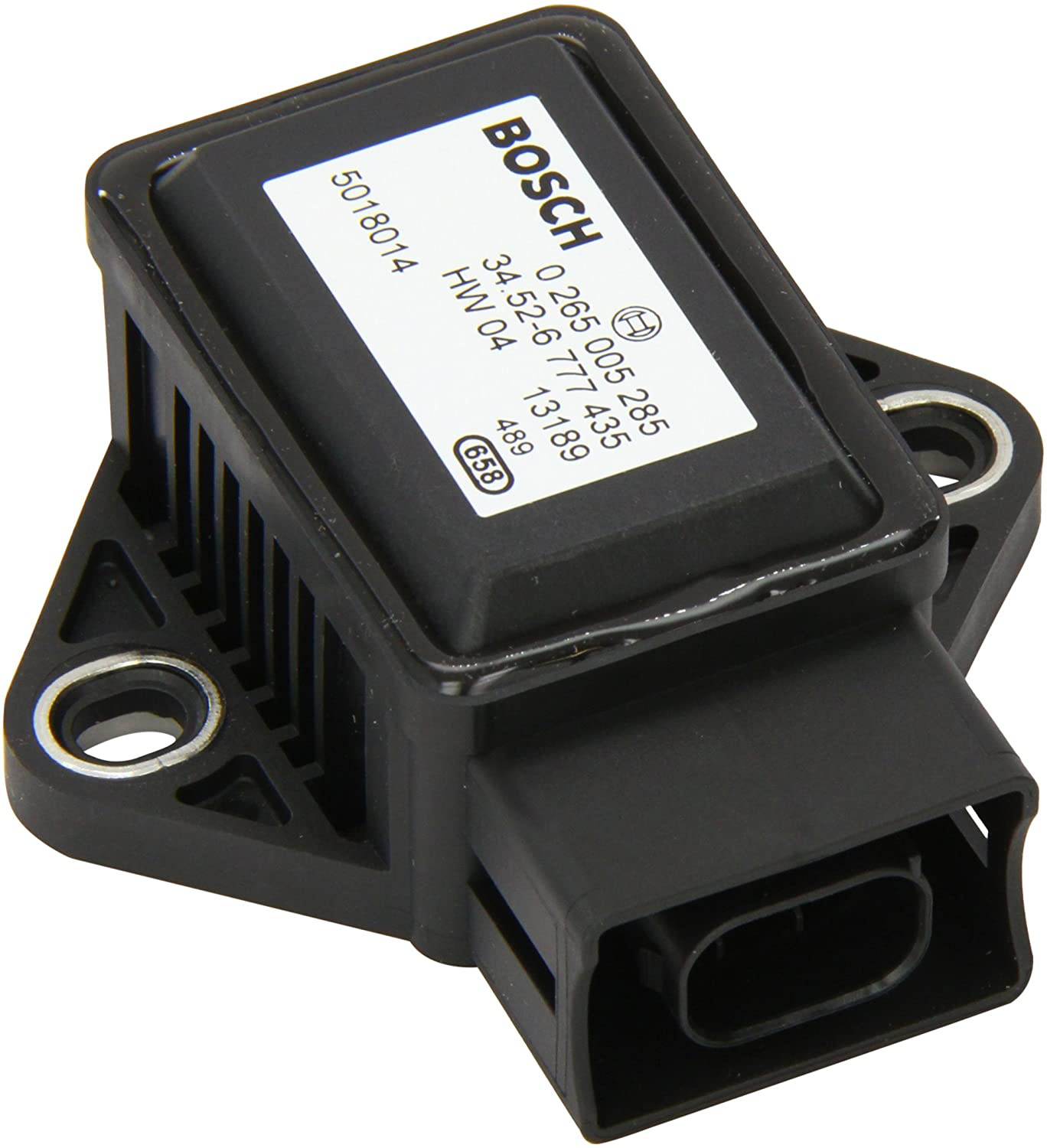
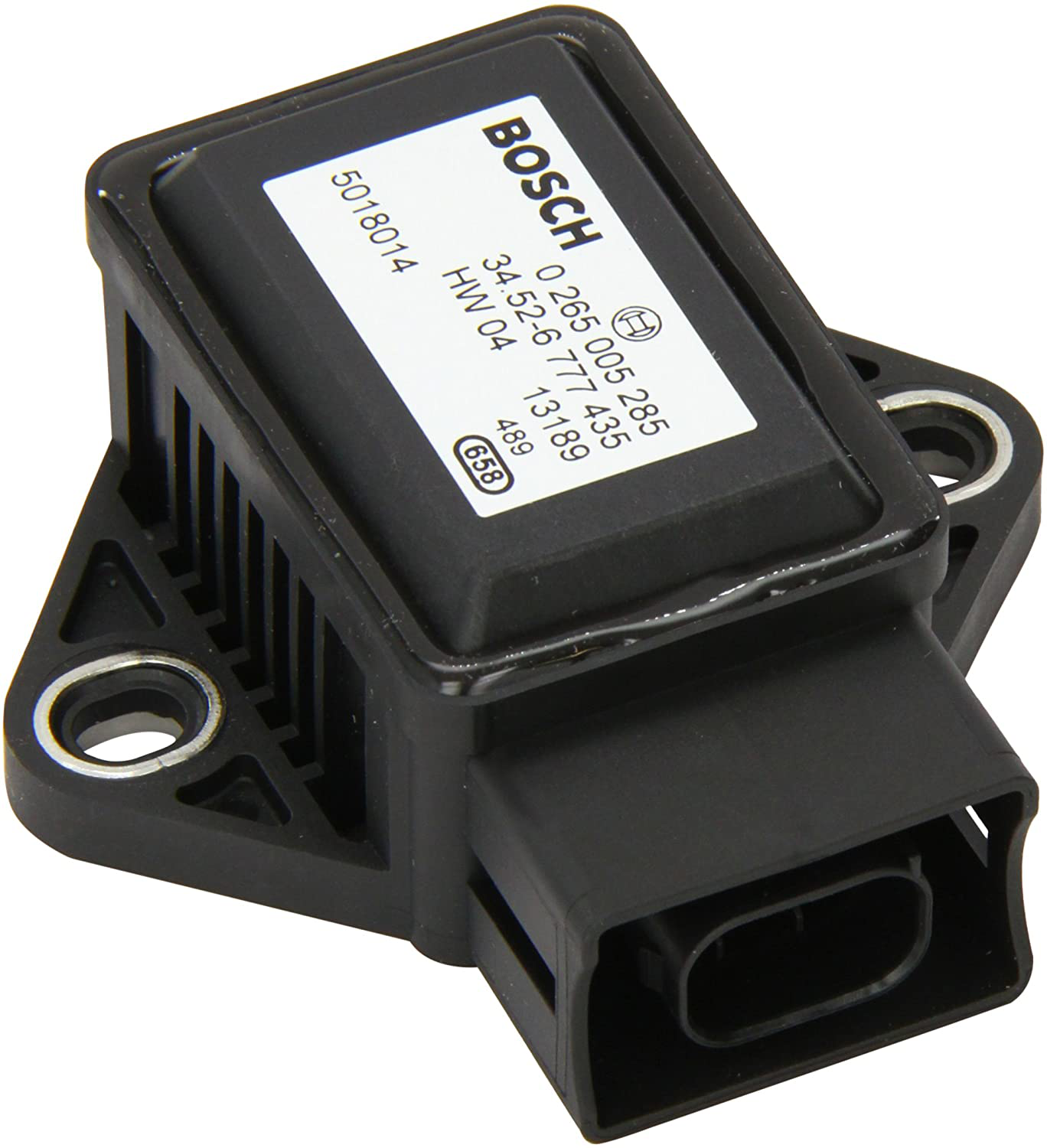
METZGER 09001625 Sensor, longitudinal- / lateral accelerationNumber of pins: 3; Number of mounting bores: 2; Version: BESCHLEUNIGU.SENSOR, IAM; Vehicle Identification Number (VIN) from: 125158, 187334, 212245; not for special equipment code: 805, 487, P99, 809, 489; Vehicle Identification Number (VIN) to: 125157, 212243, A285430, L005340, A220291, F249847, R064587, L015715, V000829, A145567, A468797, A470940, A023466; for special equipment code: 806, 867, 489, 214, 487, 483; Model Year from: 1996; Production date to: 31.03.2009, 30.05.2008, 02.09.2008, 08.09.2008, 06.08.2008; for OE number: A0009056502; Suspension: for vehicles with Active Body Control; not for vehicle equipment line/trim level: AMG SIGNATURE, AMG BLACK SERIES; Vehicle production plant: A, T; Spring Type: for vehicles with air suspension; for model code/type code: 221.08091,49 £*Shipping: 8,45 £Secure redirect to the provider

-
'How many ml of NaOH?'
To determine the amount of NaOH in milliliters, you need to know the concentration of the NaOH solution and the amount of moles required for the reaction. Using the equation Molarity (M) = moles/volume (L), you can rearrange the equation to solve for volume (L) by dividing moles by the molarity. Then, convert the volume from liters to milliliters by multiplying by 1000. **
-
Where can one buy NaOH?
NaOH, also known as sodium hydroxide or caustic soda, can be purchased from various sources. It is commonly available at hardware stores, chemical supply companies, and online retailers. It is important to handle NaOH with care as it is a strong base and can cause burns and irritation to the skin and eyes. When purchasing NaOH, it is important to follow safety guidelines and store it in a secure location away from children and pets. **
-
Why is NaOH a base?
NaOH is a base because it dissociates in water to produce hydroxide ions (OH-) which can accept protons (H+) from acids, leading to the formation of water. This ability to accept protons makes NaOH a proton acceptor, or a Brønsted-Lowry base. Additionally, NaOH has a pH greater than 7, indicating its alkaline nature. **
-
How much 20% NaOH stock solution is needed to prepare 400 ml of a 15% NaOH solution from a 20% NaOH solution?
To prepare 400 ml of a 15% NaOH solution from a 20% NaOH stock solution, we can use the formula C1V1 = C2V2, where C1 is the concentration of the stock solution, V1 is the volume of the stock solution needed, C2 is the desired concentration, and V2 is the final volume of the solution. Plugging in the values, we get (20%)(V1) = (15%)(400 ml). Solving for V1, we find that V1 = (15%)(400 ml) / 20% = 300 ml. Therefore, 300 ml of the 20% NaOH stock solution is needed to prepare 400 ml of a 15% NaOH solution. **


Are we drinking HCl and NaOH?
No, we are not drinking HCl (hydrochloric acid) or NaOH (sodium hydroxide). Both of these substances are highly corrosive and can cause severe damage if ingested. HCl is a strong acid commonly used in industry and laboratory settings, while NaOH is a strong base also used in industrial processes. It is important to handle these chemicals with care and follow proper safety protocols to avoid accidents or harm. **
Is NaOH technically suitable for food?
NaOH, also known as sodium hydroxide, is not technically suitable for food. It is a highly caustic and corrosive substance that can cause severe burns and tissue damage if ingested. While it is sometimes used in food processing for purposes such as curing olives or controlling acidity, it must be used with extreme caution and in very small quantities. It is not safe for direct consumption and should not be used in food preparation without proper knowledge and expertise. **
Top-Angebote
Products related to NaOH:
-
METZGER 09001552 Sensor, longitudinal- / lateral accelerationFitting Position: lateral installation; Fitting Position: Front and Rear, C-Pillar, Rear, Front; Sensor Type: Crash Sensor; Airbag: for side airbag; for PR number: 4X1, 4X3, 0A2; Production date from: 31.05.2010; Production date to: 26.05.2014, 03.11.2014, 03.02.2020, 01.06.2020, 30.11.2015; Model Year to: 2014; Number of Doors: 4; Vehicle Identification Number (VIN) from: 2K-B-200 00168,49 £*Shipping: 8,45 £Secure redirect to the provider
-
METZGER 09001553 Sensor, longitudinal- / lateral accelerationFitting Position: lateral installation; Fitting Position: C-Pillar, Rear, Front, B-Pillar, Front and Rear; Sensor Type: Crash Sensor; Airbag: for side airbag; Production date from: 26.05.2014, 03.11.2014, 25.05.2015; Number of Doors: 4; for PR number: 4X1, 0A2; Production date to: 03.02.202068,49 £*Shipping: 8,45 £Secure redirect to the provider
-
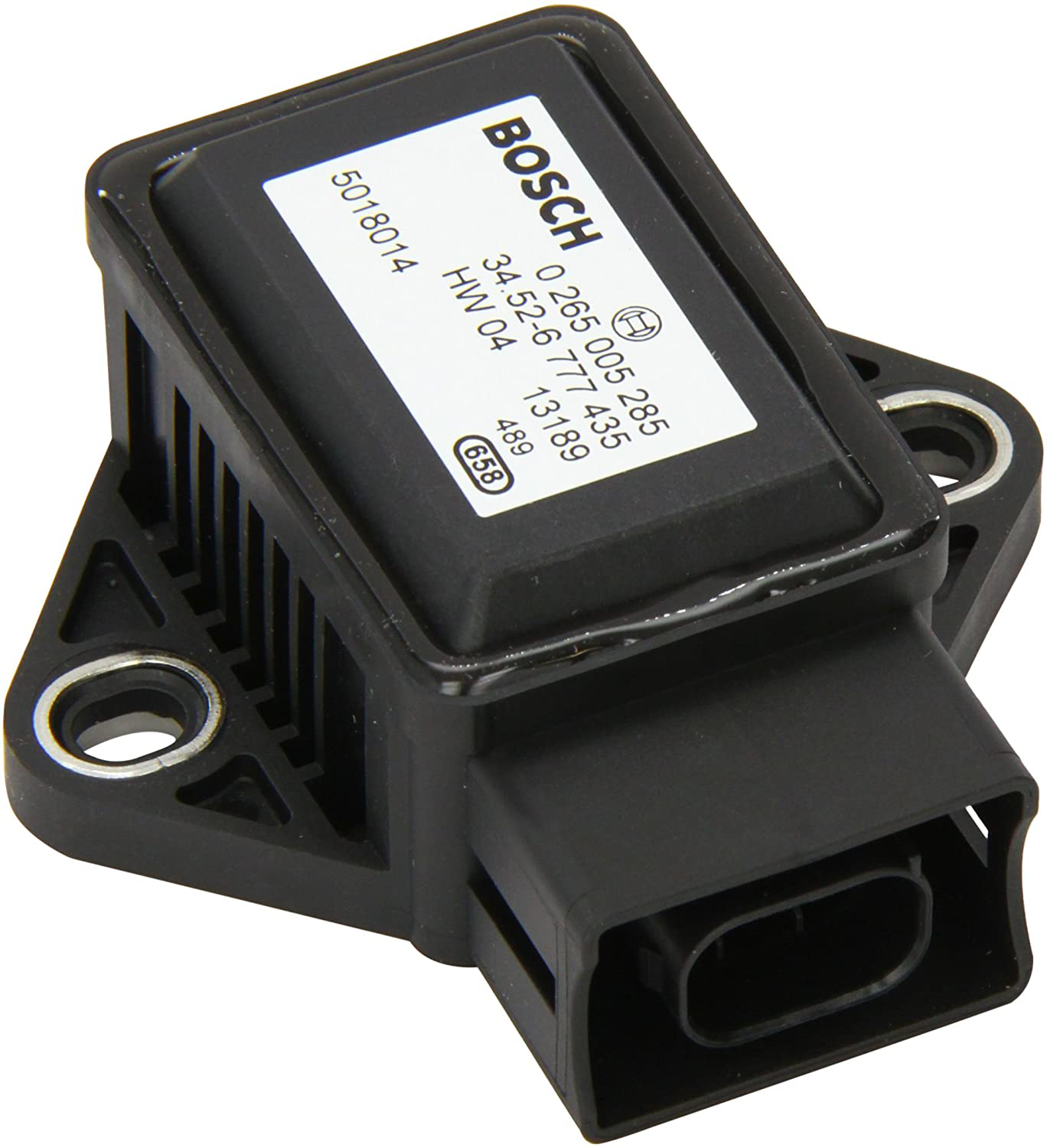
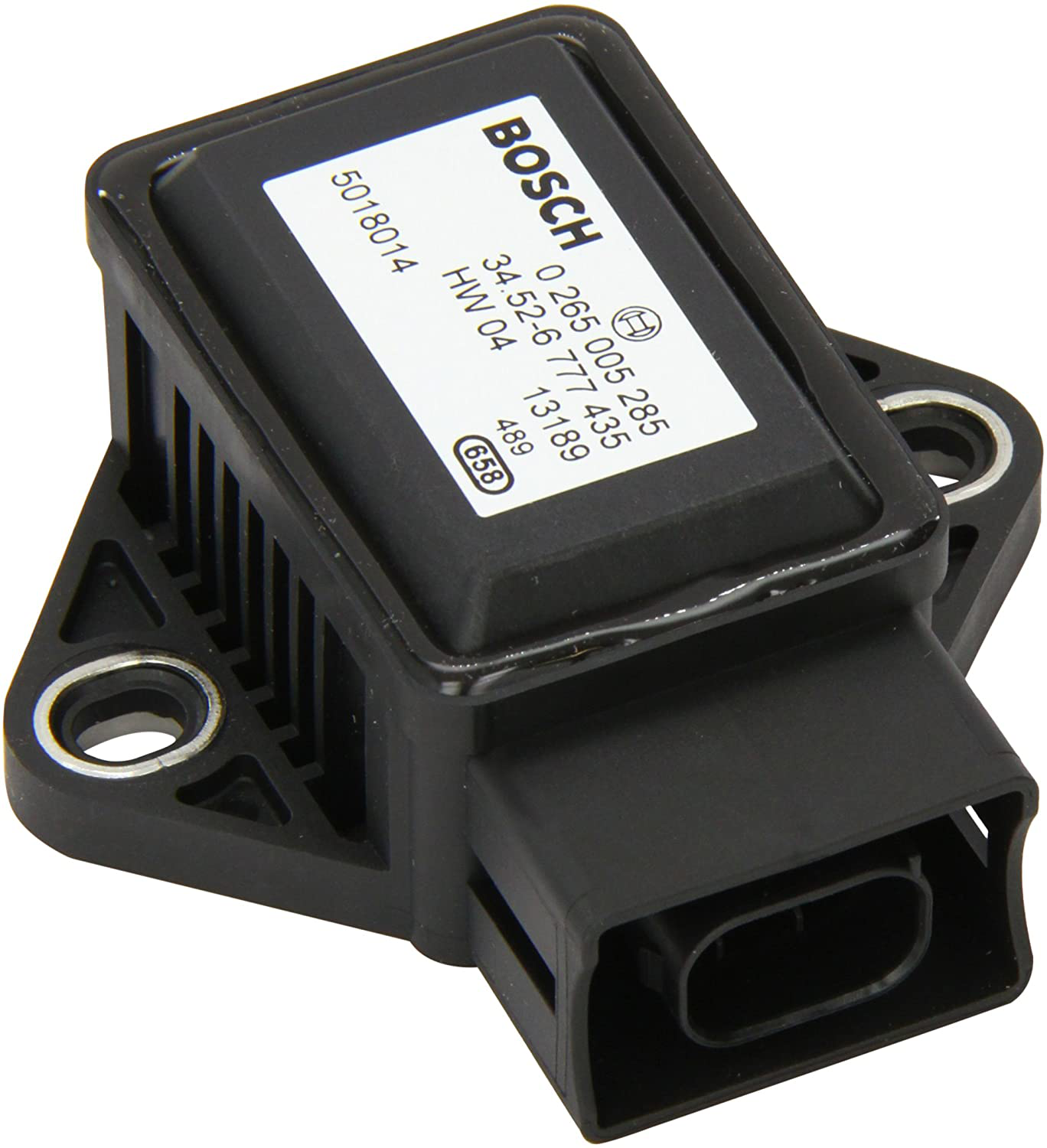
METZGER 09001625 Sensor, longitudinal- / lateral accelerationNumber of pins: 3; Number of mounting bores: 2; Version: BESCHLEUNIGU.SENSOR, IAM; Vehicle Identification Number (VIN) from: 125158, 187334, 212245; not for special equipment code: 805, 487, P99, 809, 489; Vehicle Identification Number (VIN) to: 125157, 212243, A285430, L005340, A220291, F249847, R064587, L015715, V000829, A145567, A468797, A470940, A023466; for special equipment code: 806, 867, 489, 214, 487, 483; Model Year from: 1996; Production date to: 31.03.2009, 30.05.2008, 02.09.2008, 08.09.2008, 06.08.2008; for OE number: A0009056502; Suspension: for vehicles with Active Body Control; not for vehicle equipment line/trim level: AMG SIGNATURE, AMG BLACK SERIES; Vehicle production plant: A, T; Spring Type: for vehicles with air suspension; for model code/type code: 221.08091,49 £*Shipping: 8,45 £Secure redirect to the provider
-
Why is there a difference between NaOH (s) and NaOH (aq)?
The difference between NaOH (s) and NaOH (aq) lies in their physical state and chemical behavior. NaOH (s) refers to solid sodium hydroxide, which exists as a crystalline substance at room temperature. On the other hand, NaOH (aq) refers to sodium hydroxide dissolved in water, forming an aqueous solution. When NaOH dissolves in water, it dissociates into Na+ and OH- ions, resulting in a highly alkaline solution with conductive properties. This difference in physical state and chemical behavior is due to the interaction of sodium hydroxide with water molecules, leading to distinct properties for the solid and aqueous forms. **
-
How many grams or liters of 15% NaOH can be obtained by diluting 100 liters of 50% NaOH? NaOH 15%: 116 g/ml, NaOH 50%: 164 g/ml.
To find out how many grams of 15% NaOH can be obtained by diluting 100 liters of 50% NaOH, we can use the formula: C1V1 = C2V2, where C1 is the concentration of the initial solution, V1 is the volume of the initial solution, C2 is the concentration of the final solution, and V2 is the volume of the final solution. Plugging in the values, we get: (50%)(100L) = (15%)(V2). Solving for V2, we get V2 = (50%)(100L) / (15%) = 333.33L. So, 333.33 liters of 15% NaOH can be obtained by diluting 100 liters of 50% NaOH. **
-
'How many ml of NaOH?'
To determine the amount of NaOH in milliliters, you need to know the concentration of the NaOH solution and the amount of moles required for the reaction. Using the equation Molarity (M) = moles/volume (L), you can rearrange the equation to solve for volume (L) by dividing moles by the molarity. Then, convert the volume from liters to milliliters by multiplying by 1000. **
-
Where can one buy NaOH?
NaOH, also known as sodium hydroxide or caustic soda, can be purchased from various sources. It is commonly available at hardware stores, chemical supply companies, and online retailers. It is important to handle NaOH with care as it is a strong base and can cause burns and irritation to the skin and eyes. When purchasing NaOH, it is important to follow safety guidelines and store it in a secure location away from children and pets. **
Similar search terms for NaOH
-
Sesderma Reti Age 5 Liposomal Serum Anti-Aging Innovation 30mLA facial serum for wrinkles and signs of ageing. Reduces wrinkles and fine lines. Hydrates and strengthens barrier. Restores youthful radiance. 5-Retinoid System: smooths wrinkles, accelerates renewal, and boosts collagen. Biomimetic Peptides: fill expression lines by stimulating collagen synthesis.41,69 £*Shipping: 5,34 £Secure redirect to the provider
-
Why is NaOH a base?
NaOH is a base because it dissociates in water to produce hydroxide ions (OH-) which can accept protons (H+) from acids, leading to the formation of water. This ability to accept protons makes NaOH a proton acceptor, or a Brønsted-Lowry base. Additionally, NaOH has a pH greater than 7, indicating its alkaline nature. **
-
How much 20% NaOH stock solution is needed to prepare 400 ml of a 15% NaOH solution from a 20% NaOH solution?
To prepare 400 ml of a 15% NaOH solution from a 20% NaOH stock solution, we can use the formula C1V1 = C2V2, where C1 is the concentration of the stock solution, V1 is the volume of the stock solution needed, C2 is the desired concentration, and V2 is the final volume of the solution. Plugging in the values, we get (20%)(V1) = (15%)(400 ml). Solving for V1, we find that V1 = (15%)(400 ml) / 20% = 300 ml. Therefore, 300 ml of the 20% NaOH stock solution is needed to prepare 400 ml of a 15% NaOH solution. **
-
Are we drinking HCl and NaOH?
No, we are not drinking HCl (hydrochloric acid) or NaOH (sodium hydroxide). Both of these substances are highly corrosive and can cause severe damage if ingested. HCl is a strong acid commonly used in industry and laboratory settings, while NaOH is a strong base also used in industrial processes. It is important to handle these chemicals with care and follow proper safety protocols to avoid accidents or harm. **
-
Is NaOH technically suitable for food?
NaOH, also known as sodium hydroxide, is not technically suitable for food. It is a highly caustic and corrosive substance that can cause severe burns and tissue damage if ingested. While it is sometimes used in food processing for purposes such as curing olives or controlling acidity, it must be used with extreme caution and in very small quantities. It is not safe for direct consumption and should not be used in food preparation without proper knowledge and expertise. **
* All prices are inclusive of VAT and, if applicable, plus shipping costs. The offer information is based on the details provided by the respective shop and is updated through automated processes. Real-time updates do not occur, so deviations can occur in individual cases. ** Note: Parts of this content were created by AI.